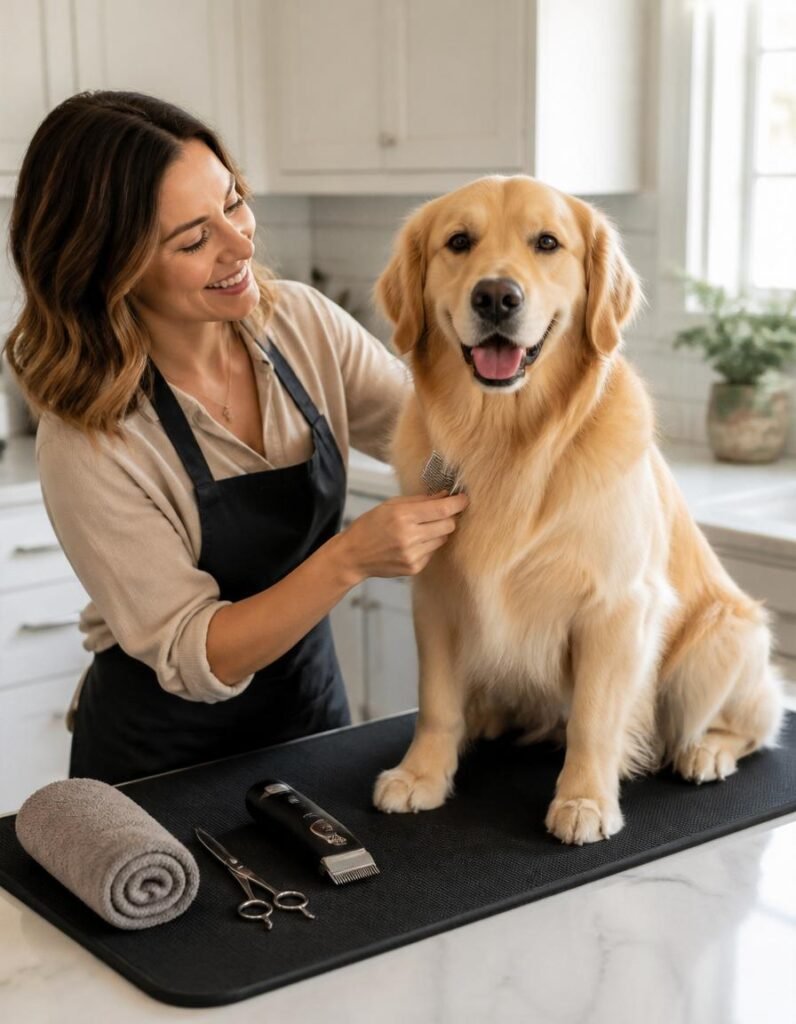
Grooming your dog at home saves money and builds trust between you and your pup, but only if you do it right. Most owners make the same handful of errors without ever realizing it, and some of them can cause real discomfort, skin infections, or even physical injury. In this comprehensive guide, we cover the most common dog grooming mistakes and exactly how to avoid each one, ensuring your home styling sessions stay completely safe, quick, and stress-free.
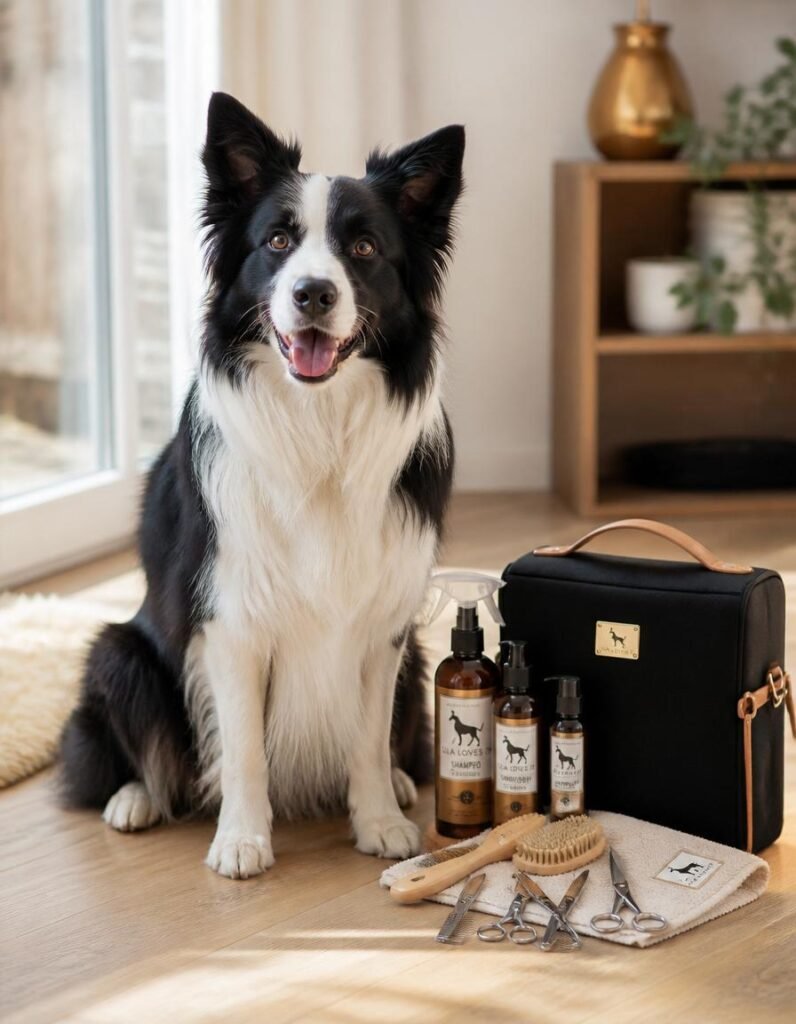
Table of Contents
- Mistake 1: Bathing Too Often
- Mistake 2: Using Human Shampoo
- Mistake 3: Skipping Brushing Before the Bath
- Mistake 4: Cutting Nails Too Short
- Mistake 5: Ignoring the Ears
- Mistake 6: Shaving Double-Coated Breeds
- Mistake 7: Using Dull or Improper Tools
- Mistake 8: Rushing the Session and Ignoring Body Language
- Mistake 9: Forgetting the Paws and Paw Pads
- Mistake 10: Only Grooming When There Is an Active Problem
- Final Thoughts
Mistake 1: Bathing Too Often
It feels logical that a cleaner dog is a healthier dog, but over-bathing stands out as one of the top baseline dog grooming mistakes. Stripping the natural, protective lipid oils from your dog’s skin and coat causes a cascade of issues. The immediate result of over-washing is dry, flaky, irritated skin paired with a brittle, dull coat.
For the vast majority of domestic breeds, a full bath every 4 to 8 weeks is plenty unless your pet actively rolls in mud or something unpleasant. If your dog begins to smell a bit stale between their scheduled wash cycles, a thorough, deep brushing session usually eliminates trapped debris and spreads healthy oils far better than running another tub of water.
Mistake 2: Using Human Shampoo
This is among the most widespread and costly dog grooming mistakes an owner can make. It is an incredibly easy error to fall into, especially during an unexpected mud emergency. However, human skin and canine skin possess drastically different pH levels. Human skin is naturally acidic, whereas a dog’s skin is much more neutral to alkaline.
⚠️ Warning: Using human shampoo—even a gentle formula like baby shampoo—massively disrupts your dog's acid mantle. This breaks down their natural skin barrier, leaving them highly vulnerable to environmental allergens, yeast overgrowth, and bacterial skin infections.
Always use a shampoo formulated specifically for canine skin chemistry. Oatmeal-based and aloe-infused formulas are an incredibly safe pick for most pups with normal to highly sensitive skin profiles.
Mistake 3: Skipping Brushing Before the Bath
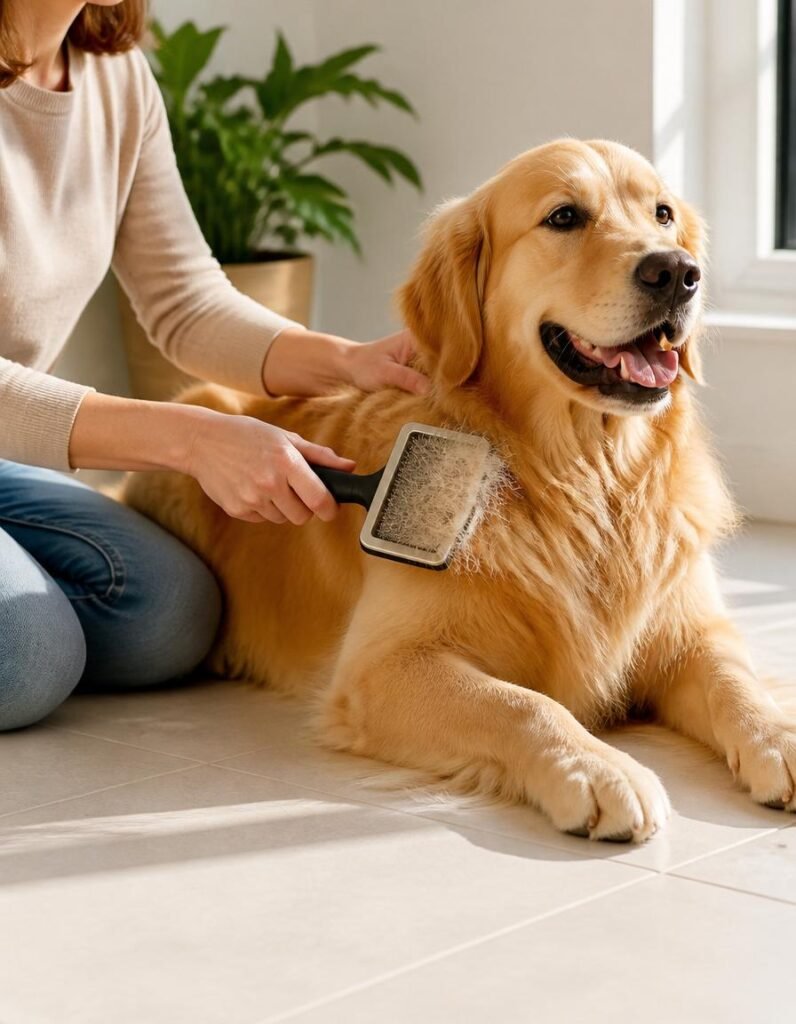
Pouring water over a tangled coat is one of the classic operational dog grooming mistakes that beginners commit. Water acts like a hydraulic setting agent on loose knots, instantly tightening minor tangles into dense, felted mats that adhere close to the skin. Once these mats become wet and dry down, they typically have to be entirely cut or shaved out with clippers.
Always brush your dog thoroughly before the bath, not just afterward. If you handle a heavy-shedding breed, executing a dedicated deshedding run before bath time also keeps thousands of loose hairs from instantly clogging your household drains. Utilizing a premium undercoat tool makes a massive difference here; you can read our comprehensive Furminator deShedding Tool review guide to see how this asset safely extracts loose undercoat before it knots up in the tub.
Mistake 4: Cutting Nails Too Short
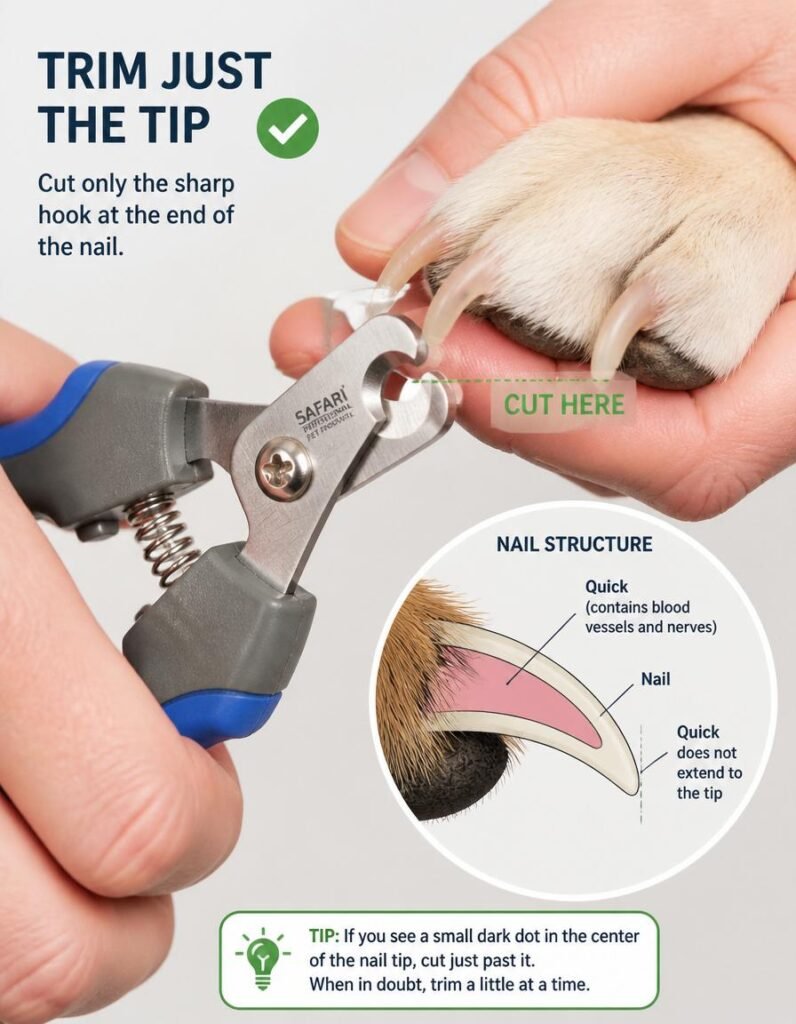
Tucking into a nail trim without understanding canine anatomy often yields painful results. Inside every dog nail runs “the quick”—a highly sensitive internal bundle of raw nerves and active blood vessels. Accidentally cutting into this live tissue causes immediate pain and heavy bleeding. Worse yet, your dog will retain that vivid pain memory, turning every future nail trim into a stressful physical battle.
To circumvent these traumatic dog grooming mistakes, clip tiny, paper-thin slivers at a time. On solid dark nails, stop clipping immediately the moment you see a distinct grayish, dark, or pinkish oval center appear on the freshly cut surface. Always keep a small jar of styptic powder resting within arm’s reach to stop bleeding instantly just in case an overcut occurs. Remember: if you can hear your dog’s nails clicking loudly against hard floors, they are overdue for a trim.
Mistake 5: Ignoring the Ears
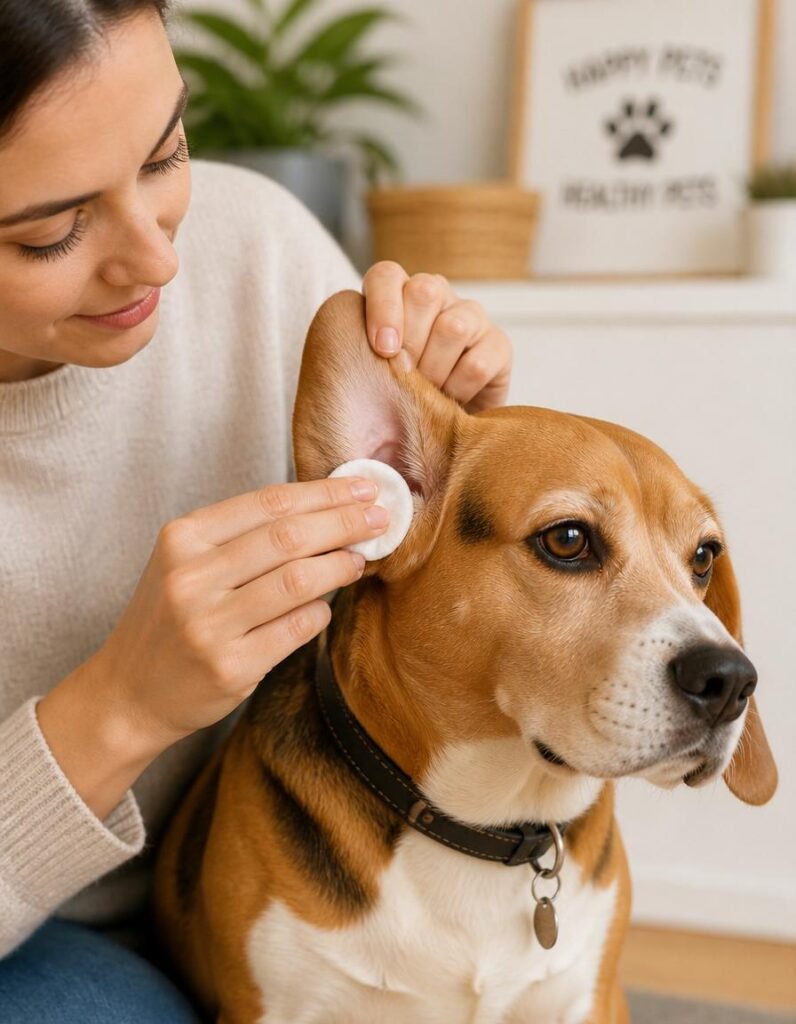
Ears are incredibly easy to forget because grooming problems typically hide completely out of sight down in the canal. Heavy wax buildup, trapped rinse water after baths, or pool water after swimming create an ideal warm, moist breeding ground for painful yeast and bacterial infections. This risk skyrockets for floppy-eared breeds like Spaniels and Hounds.
Make it a habit to inspect your dog’s ears weekly, dry them completely after any water exposure, and wipe them clean with a vet-approved ear cleaning solution whenever you detect visible dirt. Never push cotton swabs or pointed tools down into the internal ear canal, as this pushes debris further inward.
Note on Professional Standards: Keeping your home techniques aligned with modern veterinary guidelines ensures your dog remains safe. For a deeper look at proper structural care and behavior management during home care, review theofficial coat and care guidelines from the American Kennel Club (AKC).
Mistake 6: Shaving Double-Coated Breeds
Huskies, German Shepherds, Pomeranians, Australian Shepherds, and Golden Retrievers should almost never be shaved down to the skin. Shaving them is one of the most physically damaging dog grooming mistakes an owner can commit. Their dense undercoat acts as a critical natural insulation system against both winter cold and extreme summer heat, while the topcoat blocks harsh UV rays from burning their fair skin.
Shaving a double coat disrupts this delicate thermal regulation cycle and can permanently damage the hair follicles, causing the fur to grow back patchy, coarse, and prone to severe tangling. If your double-coated dog seems uncomfortably warm during the summer months, the proper solution is a deep deshedding session and thorough undercoat rake maintenance, never a full buzz shave.
Mistake 7: Using Dull or Improper Tools
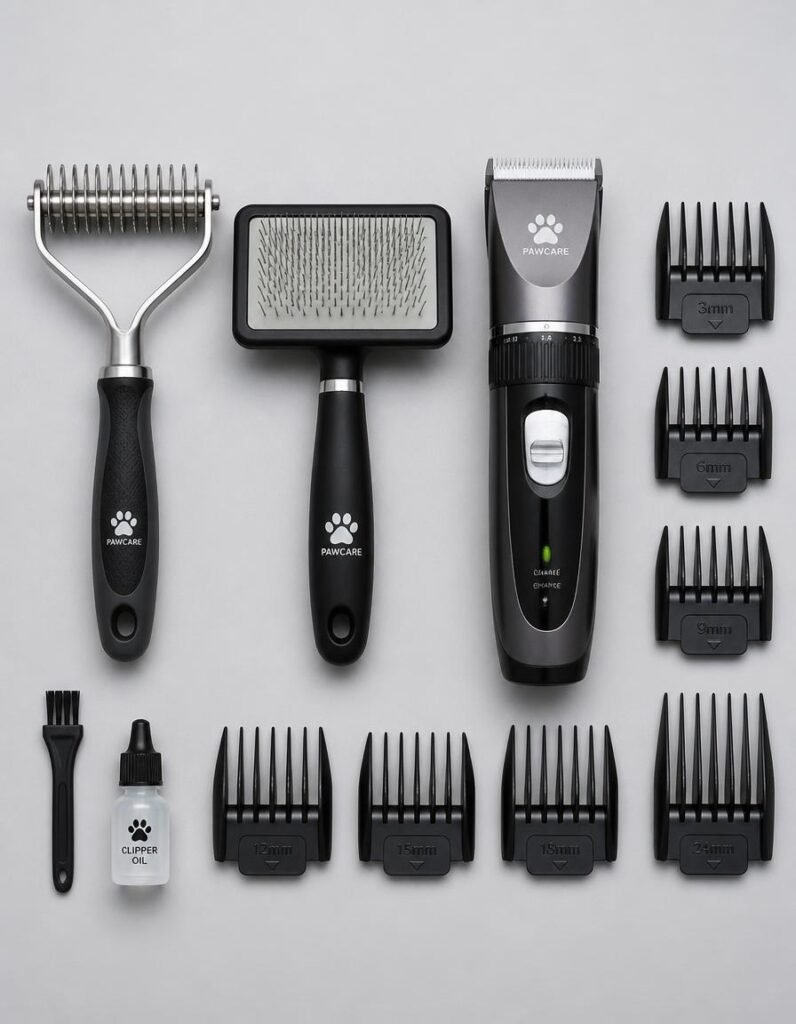
Trying to get by with human beauty tools or low-quality hardware leads to a variety of unwanted dog grooming mistakes. Dull clipper blades do not cut hair cleanly; instead, they catch and yank the hair directly out of the skin, which hurts your pet. Similarly, choosing the wrong brush type does nothing to clear out dead undercoat and can scrape or scratch their skin.
You must meticulously match your hardware to your dog’s unique coat composition:
- Slicker Brushes: Ideal for pulling debris from medium, long, and curly coats.
- Bristle Brushes: Best for polishing smooth, short-coated breeds (like Pugs or Boxers).
- Undercoat Rakes: Absolutely vital for reaching through the topcoat of double-coated breeds.
- Sharp, Maintained Clippers: Vital for smooth, even coat trims without skin nicks.
Investing a small amount of money upfront into sharp, high-quality pet tools pays massive dividends in safety and speed during every single session.
Mistake 8: Rushing the Session and Ignoring Body Language
Dogs possess an incredible ability to read human energy. If you treat grooming like a frantic chore you need to rush through, your dog will instantly match your anxiety. They will begin squirming, pulling away, and resisting, which makes the entire process take twice as long and increases the risk of accidental clipper nicks or nail cuts.
Set aside a dedicated, unhurried block of time for home grooming. Keep a pouch of high-value training treats directly within reach, praise your dog frequently for staying still, and do not hesitate to take brief breaks if they show signs of stress (like heavy panting or lip licking). Short, calm, highly positive sessions teach your pet that grooming is completely safe.
Mistake 9: Forgetting the Paws and Paw Pads
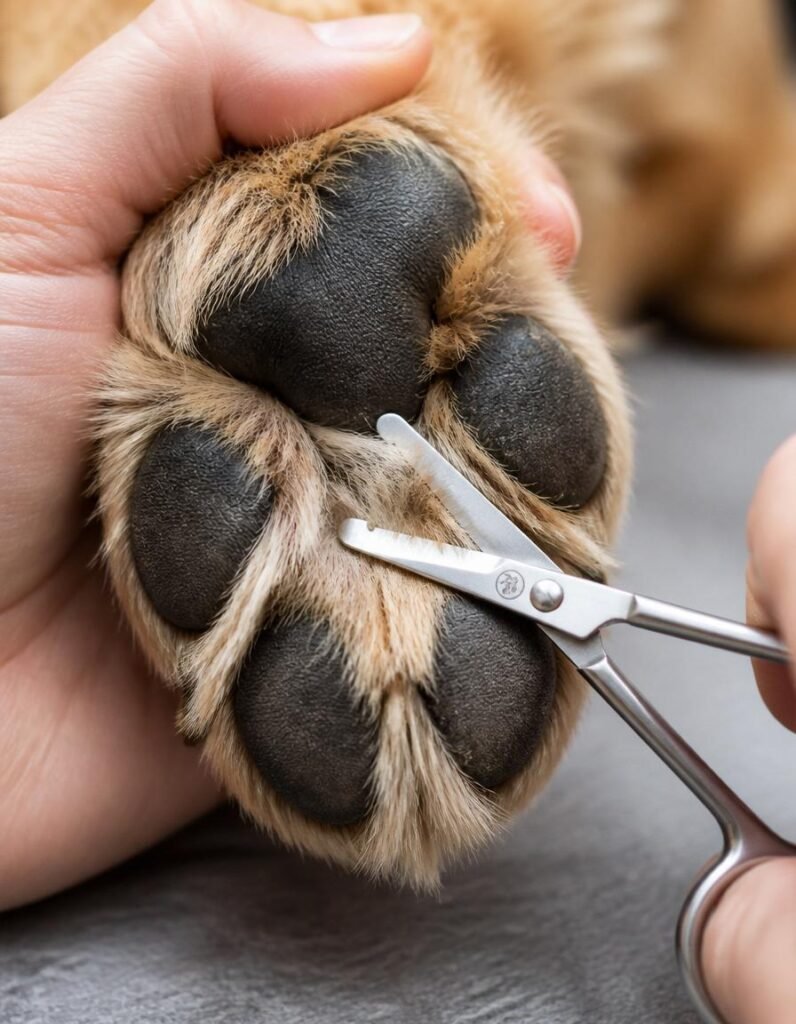
The paws take an absolute beating every single day, yet they remain high on the list of overlooked areas when tracking common dog grooming mistakes. Long hair growing uninhibited between the paw pads easily collects mud, ice melt chemicals, burrs, and tangles, which can make walking painful and cause slipping on slick hardwood floors.
Carefully trim the excess fur between their pads using small safety shears or a tight clipper blade, check the spaces for cuts or hidden ticks after outdoor walks, and apply a soothing, organic paw balm if their pads look dry, rough, or cracked.
Mistake 10: Only Grooming When There Is an Active Problem
Many pet owners fall into a reactive cycle, waiting until their dog’s coat is severely matted, their nails are clicking like tap shoes, or they emit a noticeable odor. By the time you step in to fix these advanced issues, the grooming session is bound to be lengthy, uncomfortable, and highly stressful for everyone involved.
To permanently avoid these compounding dog grooming mistakes, you must switch to a proactive, preventative schedule. Establishing a consistent routine consisting of a short weekly brush-out, a monthly nail check, and quick ear inspections prevents almost every single problem on this list, keeping each handling session fast, positive, and pleasant.
Final Thoughts
Successfully avoiding these common dog grooming mistakes doesn’t require a professional grooming license—it simply requires a basic understanding of your dog’s anatomy and a consistent schedule. Always brush before introducing water, select dog-specific shampoos, respect the nail quick, preserve double coats, and keep your energy completely calm.
By taking these steps, your dog will look better, feel healthier, and actually learn to enjoy their routine maintenance time. Bookmark this checklist of common dog grooming mistakes to run through before your next session, and your pup will surely thank you for it!
Note: Product pricing and availability for recommended canine clippers and deshedding tools can fluctuate seasonally. Always review sizing guides thoroughly before finalizing an equipment order.
We want to be entirely transparent that Daily Pet Picks is a proud participant in the Amazon Services LLC Associates Program designed for independent product reviewers, an affiliate advertising program built to allow websites to earn small advertising fees by linking directly to product listings. This means we may earn a small commission if you purchase through our links, at absolutely no extra cost to you.