
Does your dog panic the moment you reach for your keys? Come home to chewed furniture, complaints about barking, or accidents by the door? These are classic signs of separation anxiety in dogs — one of the most common and distressing behavior problems for both dogs and owners. The good news is that it is very manageable with the right approach. This guide covers the signs, causes, and proven solutions to help your dog feel calm and secure when home alone.
Table of Contents
- What Is Separation Anxiety?
- Signs of Separation Anxiety in Dogs
- What Causes It
- Solution 1: Desensitize Departures
- Solution 2: Build Positive Associations
- Solution 3: Exercise and Enrichment
- Solution 4: Stay Calm Coming and Going
- When to Get Professional Help
- Frequently Asked Questions
- Final Thoughts
What Is Separation Anxiety?
Separation anxiety in dogs is genuine distress that a dog feels when separated from their owner or left alone. It is not your dog being spiteful or badly behaved — it is real panic, similar to a panic attack in people. Understanding this is the first step, because it changes how you respond: with patience and training, not punishment.
A dog with separation anxiety is not choosing to misbehave; they are overwhelmed by fear. That is why the solutions focus on helping your dog feel safe and gradually building their confidence about being alone. For a vet-backed overview, the American Kennel Club’s guide to separation anxiety is an excellent resource.
Signs of Separation Anxiety in Dogs
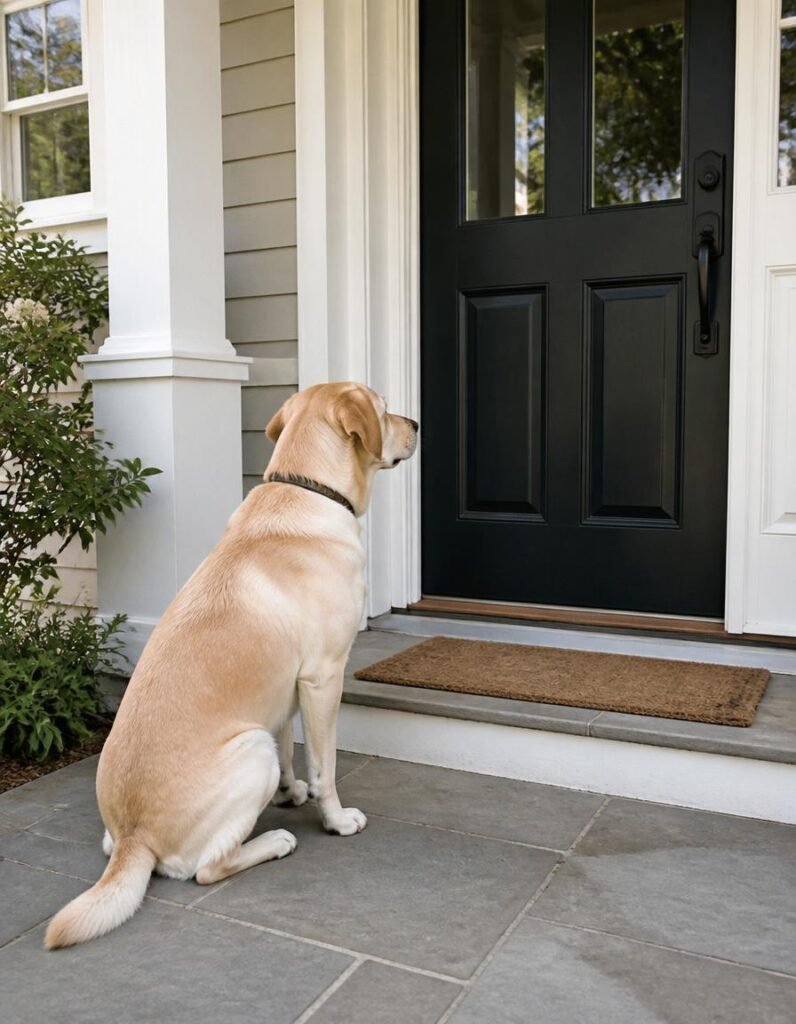
The signs of separation anxiety in dogs typically appear only when the dog is left alone or as you prepare to leave. Watch for:
- Destructive behavior — Chewing, digging, or scratching, often focused on doors and windows or exit points.
- Excessive barking or howling — Vocalizing for long periods after you leave.
- Pacing — Repetitive walking in a set pattern.
- House soiling — Accidents from a normally house-trained dog when alone.
- Escape attempts — Trying to break out of a crate, room, or even the house, sometimes causing injury.
- Drooling or panting — Physical signs of stress.
- Over-the-top greetings — Frantic, prolonged excitement when you return.
If these behaviors happen mainly around your departures and absences, separation anxiety in dogs is the likely cause rather than simple misbehavior.
What Causes It
Several things can trigger separation anxiety in dogs:
- A major change in routine, such as a return to the office after time at home
- Moving to a new home or a change in the household
- The loss of a family member or another pet
- Being rehomed or adopted from a shelter
- Never having learned to be comfortable alone as a puppy
Knowing the trigger can help you tailor your approach, though the core solutions are similar regardless of the cause.
Solution 1: Desensitize Departures
The most effective long-term fix for separation anxiety in dogs is gradual desensitization — slowly teaching your dog that being alone is safe and temporary.
- Start by leaving for just seconds, then returning calmly, and slowly build up the time.
- Practice your “leaving” cues (picking up keys, putting on shoes) without actually leaving, so they stop predicting your departure.
- Keep early absences short enough that your dog stays under their panic threshold.
- Increase the duration only as your dog stays relaxed.
This takes patience, but it directly rebuilds your dog’s confidence about being alone.
Solution 2: Build Positive Associations
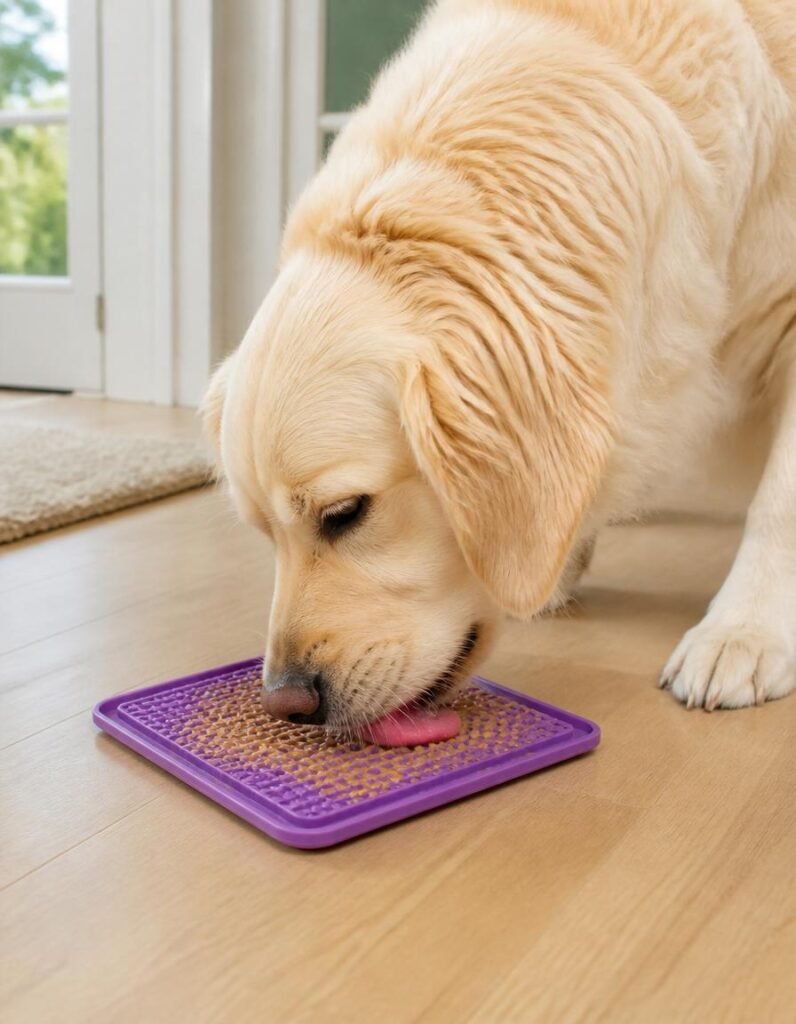
Make alone-time something your dog looks forward to. A powerful way to ease separation anxiety in dogs is to pair your departure with something they love:
- Give a special treat or toy that only appears when you leave.
- A lick mat with peanut butter or a stuffed, frozen chew toy keeps your dog calmly occupied — see our Hyper Pet lick mat review and KONG Extreme review for great calming options.
- Put the special item away as soon as you return, so it stays linked to your absence.
Over time, your dog starts to associate you leaving with good things rather than fear.
Solution 3: Exercise and Enrichment
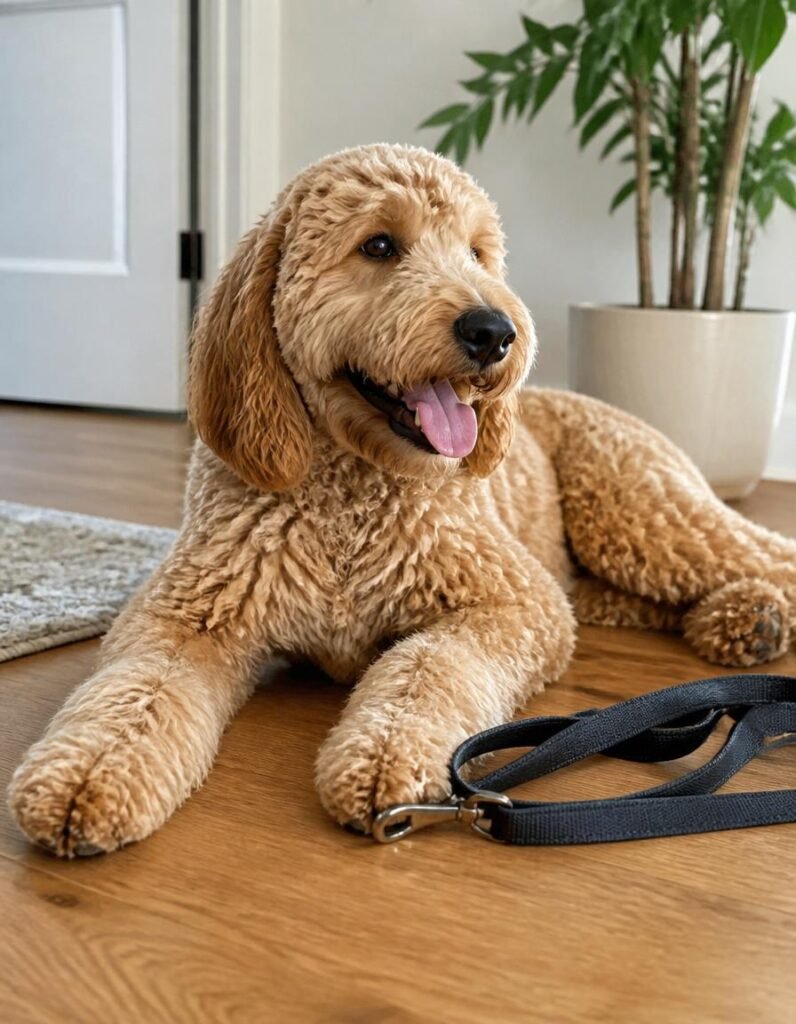
A tired, mentally satisfied dog copes far better with being alone. Tackling separation anxiety in dogs is much easier when their needs are already met:
- Give a good walk or play session before you leave, so your dog is relaxed and ready to rest.
- Provide puzzle toys and enrichment to occupy their mind while you are gone.
- Make sure your dog gets enough daily exercise overall, as pent-up energy worsens anxiety.
Solution 4: Stay Calm Coming and Going
How you handle departures and arrivals has a big impact on separation anxiety in dogs:
- Keep departures low-key. No long, emotional goodbyes — they signal that something stressful is happening.
- Keep arrivals calm. Greet your dog quietly once they have settled, rather than rewarding frantic excitement.
- Create a safe space. A cozy crate or a comfortable area can give an anxious dog a secure den, if they are already comfortable being crated.
Your calm, matter-of-fact energy teaches your dog that comings and goings are no big deal.
When to Get Professional Help
Mild separation anxiety in dogs often improves with the steps above, but severe cases need more support. Reach out to your vet or a qualified behaviorist if:
- Your dog injures themselves trying to escape
- The anxiety is severe or getting worse despite training
- Your dog will not eat or settle at all when alone
- You are struggling to make progress on your own
A vet can rule out medical causes and, in some cases, recommend behavior medication alongside training. There is no shame in getting help — severe anxiety is a genuine welfare issue.
Related reading: the best dog crate covers.
Helpful Gear for Alone Time
No product fixes separation anxiety on its own, but the right enrichment can make the minutes after you leave easier while you work through the steps above. See our lick mat guide for more options.
KONG Classic Dog Toy
A stuffed KONG keeps your dog busy right as you walk out the door. Read our KONG Classic review.
LickiMat Soother
Our top lick mat. Licking is a naturally calming activity, and a frozen mat lasts a good while.
Calming Donut Bed
A raised-rim bed many dogs like to curl into. Featured in our dog bed roundup.
Frequently Asked Questions
What are the signs of separation anxiety in dogs? Common signs include destructive behavior near exits, excessive barking or howling, pacing, accidents when alone, escape attempts, and frantic greetings — all happening mainly when the dog is left alone.
Can separation anxiety in dogs be cured? Many dogs improve greatly with gradual desensitization, positive associations, exercise, and calm routines. Severe cases may need a behaviorist and sometimes medication, but it is very manageable.
Should I get another dog to help? Not necessarily. Separation anxiety is usually about missing their person, not other dogs, so a second dog often does not fix it and adds responsibility. Focus on training first.
Does crating help with separation anxiety? It can, if your dog already sees the crate as a safe space. But forcing an anxious dog into a crate can make panic worse, so introduce it positively first.
Final Thoughts
Separation anxiety in dogs is distressing, but it is not a life sentence for you or your dog. Recognize the signs, understand it as real fear rather than misbehavior, and work through the proven solutions: desensitize departures, build positive associations with calming toys, meet your dog’s exercise needs, and keep your own comings and goings calm. For severe cases, do not hesitate to involve a vet or behaviorist. With patience and consistency, most dogs learn to feel safe and settled when home alone.
Disclosure: dailypetpicks.com is a participant in the Amazon Services LLC Associates Program, an affiliate advertising program designed to provide a means for sites to earn advertising fees by advertising and linking to Amazon.com. This means we may earn a small commission if you purchase through our links, at no extra cost to you.