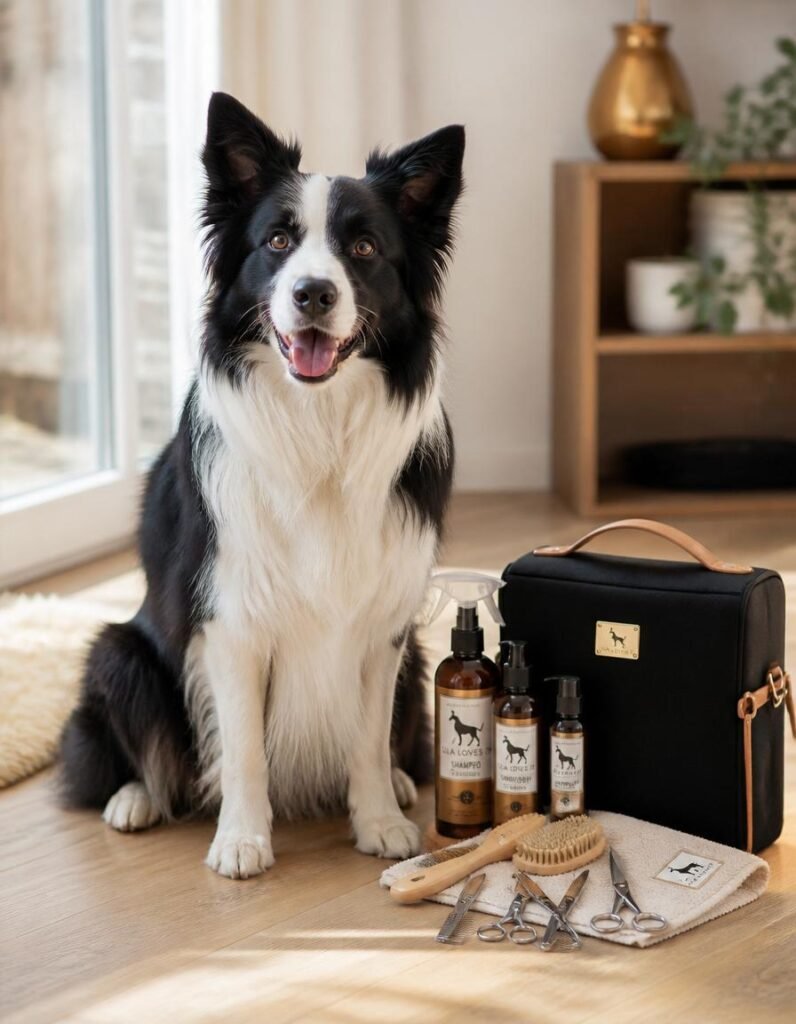
If you are tired of fur on every surface, learning how to reduce dog shedding comes down to a handful of habits that attack the problem at the source. You cannot stop a healthy dog from shedding entirely, but you can dramatically cut how much hair ends up on your floors, clothes, and couch. Here are the 7 fixes that actually make a difference.
Table of Contents
- Why Dogs Shed in the First Place
- Fix 1: Brush More Often Than Feels Necessary
- Fix 2: Use the Right Tools for the Coat
- Fix 3: Bathe Smart, Not Often
- Fix 4: Feed the Coat From the Inside
- Fix 5: Keep Water Flowing
- Fix 6: Stay on Top of Parasite Control
- Fix 7: Know When Shedding Is a Warning Sign
- Frequently Asked Questions
- Final Thoughts
Why Dogs Shed in the First Place
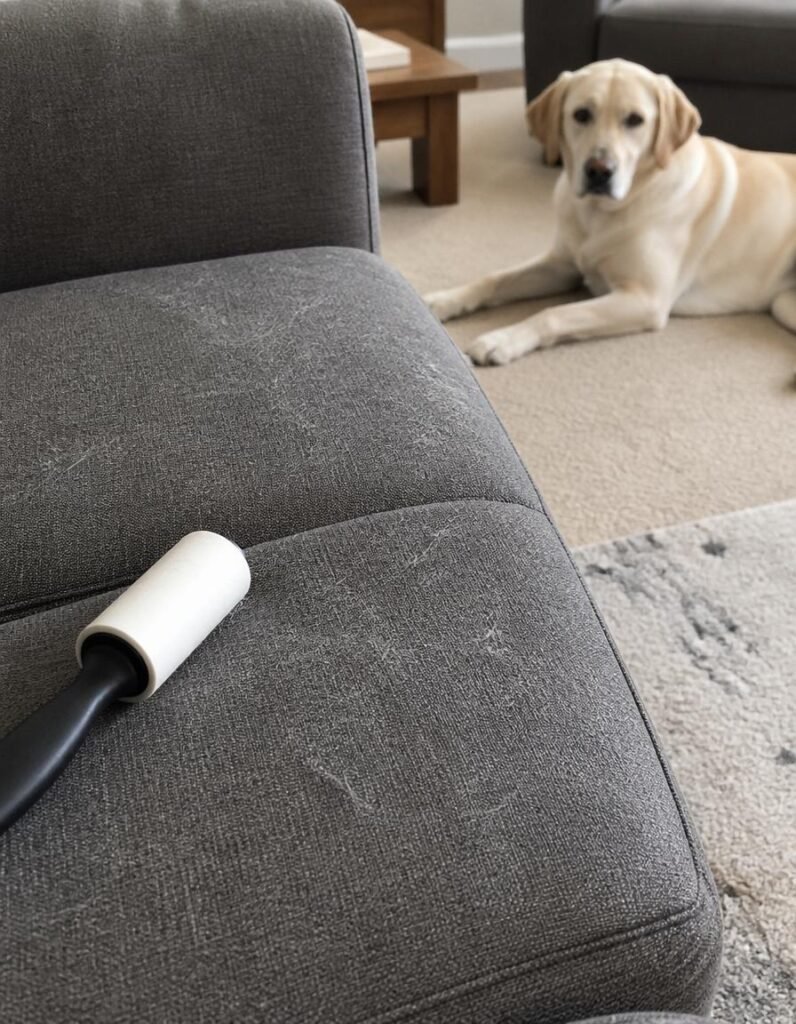
Shedding is a normal part of the hair growth cycle: old and damaged hair falls out to make room for new growth. According to the American Kennel Club, coat type drives most of the difference between dogs. Double-coated breeds like Golden Retrievers and Huskies shed heavily, with big seasonal blowouts in spring and fall, while single-coated breeds drop far less hair year round. Understanding how to reduce dog shedding starts with accepting that the goal is control, not elimination.
Fix 1: Brush More Often Than Feels Necessary
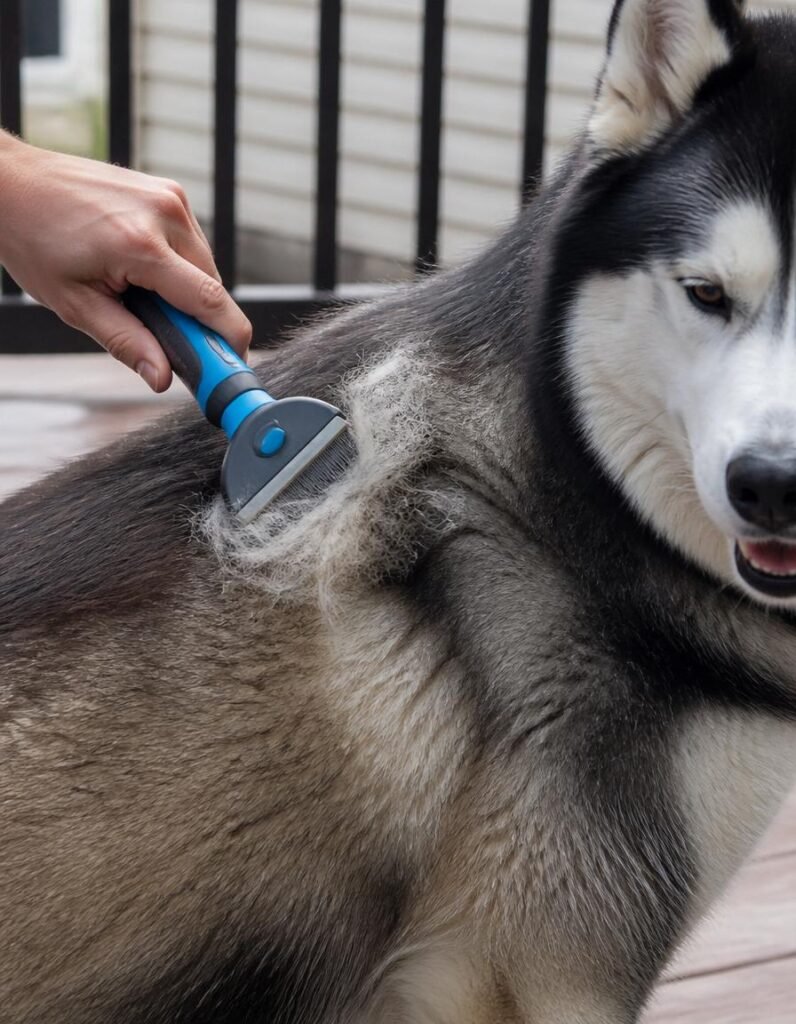
Brushing is the single most effective answer to how to reduce dog shedding, because every hair you catch in the brush is a hair that never lands on your sofa. Most dogs need brushing 3 to 5 times a week, and heavy shedders need it daily during spring and fall coat blowouts. Regular brushing also spreads natural skin oils through the coat, which keeps the remaining hair healthier and less likely to break off.
Fix 2: Use the Right Tools for the Coat
The right tools are half of how to reduce dog shedding. A regular brush skims the surface, but shedding lives in the undercoat, so you need tools that reach it. A slicker brush works well for weekly maintenance on dense coats, and we found the affordable one in our Hertzko slicker brush review handles most coats easily. During heavy shedding periods, a dedicated deshedding tool pulls out loose undercoat that brushes leave behind. Our FURminator review covers the tool that removed more hair in one session than a week of regular brushing. Whatever you use, work in the direction of hair growth with gentle pressure.
Fix 3: Bathe Smart, Not Often
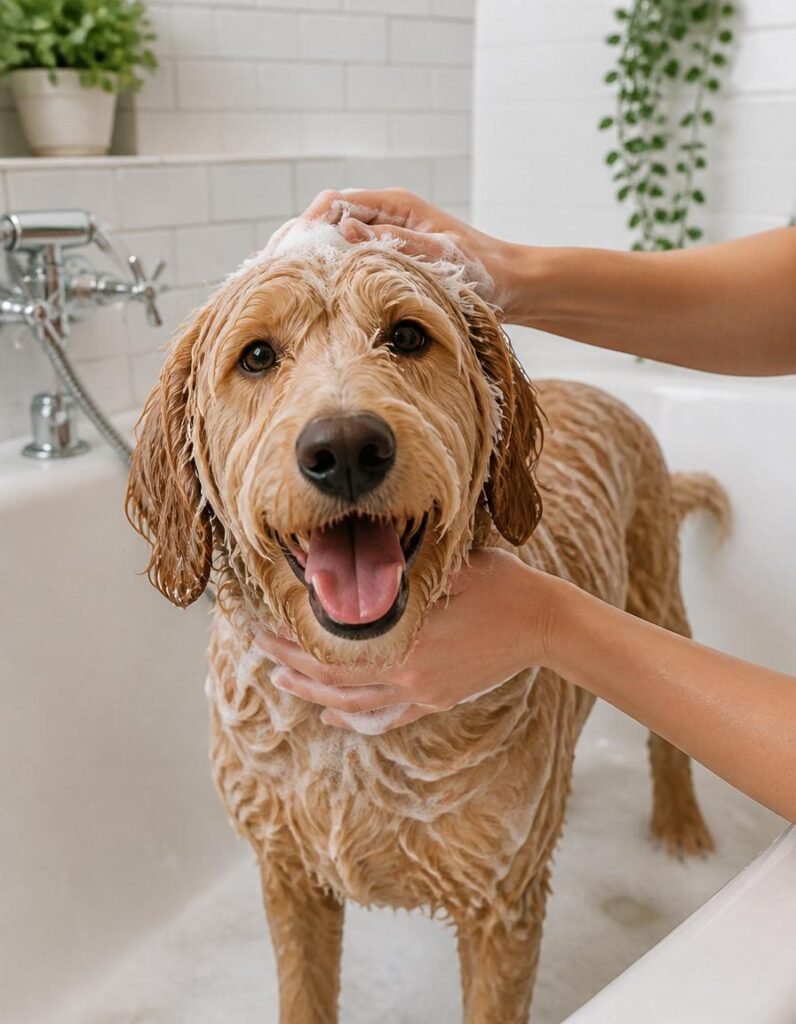
Bathing is the most overlooked part of how to reduce dog shedding. A bath every 3 to 4 weeks with a deshedding or oatmeal shampoo loosens dead undercoat so it rinses away instead of falling out around the house. Brush before the bath to remove tangles, and brush again once your dog is fully dry to collect everything the water loosened. Do not overdo it: bathing too often dries the skin, and dry skin sheds more, not less.
Fix 4: Feed the Coat From the Inside
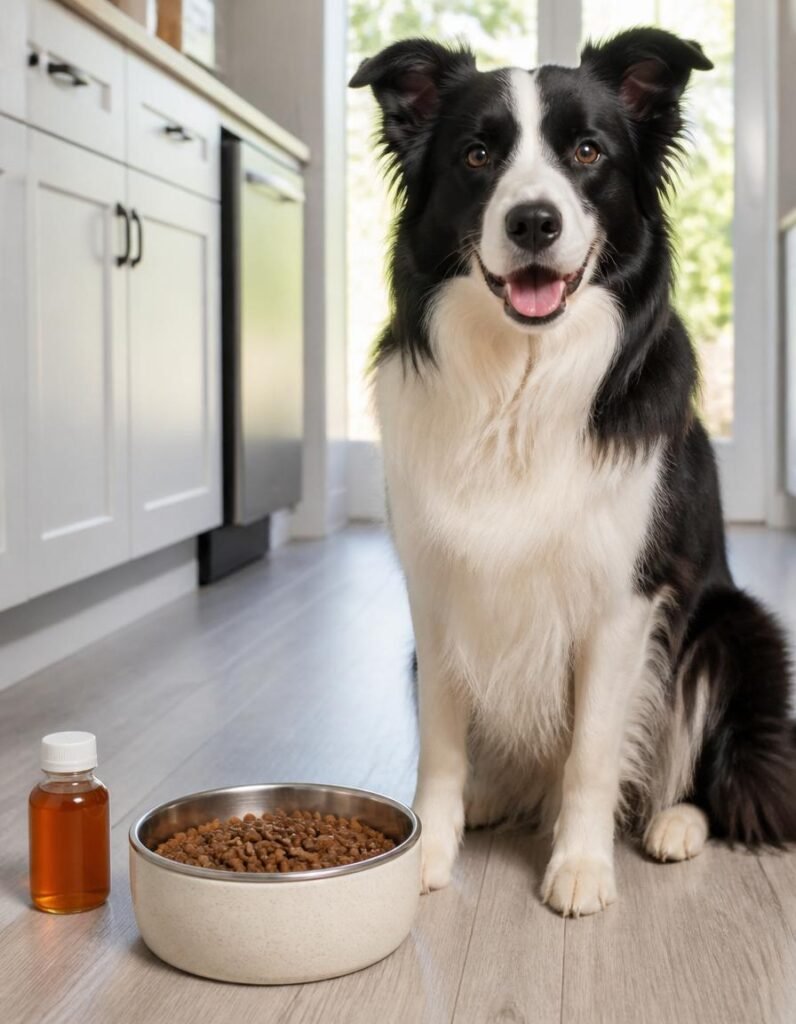
Diet is how to reduce dog shedding from the inside out. A complete, balanced dog food gives hair follicles the protein and nutrients they need to grow strong hair that resists breaking. Many dogs also benefit from omega-3 fatty acids for skin and coat support, but ask your vet before adding any supplement. If your dog’s coat looks dull and the shedding seems worse than it should be, food quality is one of the first things worth examining.
Fix 5: Keep Water Flowing
Dehydrated skin is flaky, irritated skin, and irritated skin lets go of hair. Make sure fresh water is always available, and if you notice your dog drinking less than usual alongside heavier shedding, mention it to your vet.
Fix 6: Stay on Top of Parasite Control
Fleas and other parasites make dogs scratch, and constant scratching rips out far more hair than natural shedding ever would. Monthly parasite prevention protects the coat as much as it protects the dog. It is one of the easiest wins on this list.
Fix 7: Know When Shedding Is a Warning Sign
Normal shedding never causes bald patches, red or irritated skin, sores, or a bad smell. If you see any of those, or the shedding came on suddenly with heavy scratching, that is not a grooming problem. Allergies, skin infections, and hormonal issues can all cause abnormal hair loss, and they need a vet, not a better brush.
Related reading: the best dog hair removers.
Tools That Cut Down on Shedding
Regular brushing removes loose fur before it lands on your floor, and a good roller handles what gets through. See our grooming tools under $30 for more.
FURminator deShedding Tool
Our top grooming tool pick for pulling out loose undercoat. Read our FURminator review.
Hertzko Self-Cleaning Slicker Brush
A slicker brush with a button that releases the hair. See our Hertzko review.
ChomChom Roller
Our best all-round dog hair remover for furniture and car seats.
Frequently Asked Questions
How often should I brush my dog to reduce shedding? Aim for 3 to 5 sessions a week for most dogs, and daily brushing during spring and fall shedding season for double-coated breeds. Five to ten minutes per session is enough if you are consistent.
Does bathing help reduce dog shedding? Yes. A monthly bath with a deshedding or oatmeal shampoo is a core part of how to reduce dog shedding, because it loosens dead undercoat so you can rinse and brush it out. Bathing too frequently backfires by drying the skin, which increases shedding.
What is the best tool to reduce dog shedding? For routine upkeep, a slicker brush. For heavy shedding periods, a deshedding tool that reaches the undercoat makes the biggest visible difference. Many owners use both: the slicker weekly and the deshedding tool during coat blowouts.
Why is my dog suddenly shedding so much? Seasonal coat changes are the usual cause, especially in spring and fall. But if sudden shedding comes with bald spots, redness, constant scratching, or skin odor, see your vet, because those point to allergies, parasites, or a skin condition rather than normal shedding.
Final Thoughts
That is how to reduce dog shedding in practice: brush often with the right tools, bathe monthly with the right shampoo, feed a quality diet, keep water available, prevent parasites, and watch for warning signs. None of these steps is hard, and together they cut the loose fur in your home to a fraction of what it was. Start with the brushing routine this week and you will see the difference within a month.
Disclosure: dailypetpicks.com is a participant in the Amazon Services LLC Associates Program, an affiliate advertising program designed to provide a means for sites to earn advertising fees by advertising and linking to Amazon.com. This means we may earn a small commission if you purchase through our links, at no extra cost to you.