DailyPetPicks is reader-supported. As an Amazon Associate we earn from qualifying purchases, at no extra cost to you.
Every dog owner eventually faces the same battle: a vet prescription, a dog that can find a tablet inside a meatball with surgical precision, and a little white pill spat out on the kitchen floor for the third time. Pill pockets for dogs exist to end that fight: a soft, moldable treat with a hole in the middle that you pinch shut around the tablet.
But there are two things to check before you hide any medicine in food, and one of them could genuinely save your dog’s life. Below we cover both, the simple trick that makes pill pockets for dogs work far better, and three picks matched to pill size and your dog’s taste.
Check this before hiding any pill in food
Not every medicine can be given with food, and not every medicine can be broken up to fit a treat. The UK veterinary charity PDSA warns that some tablets won’t work unless they’re given whole or on an empty stomach, and that some fail if they’re crushed or split. So ask your vet or pharmacist two quick questions when you collect any prescription: can it be given with food, and can it be split?
If the answer to the first is no, pill pockets for dogs aren’t the right tool for that medicine, and your vet can show you how to give it by hand or suggest a liquid form instead.
The peanut butter warning
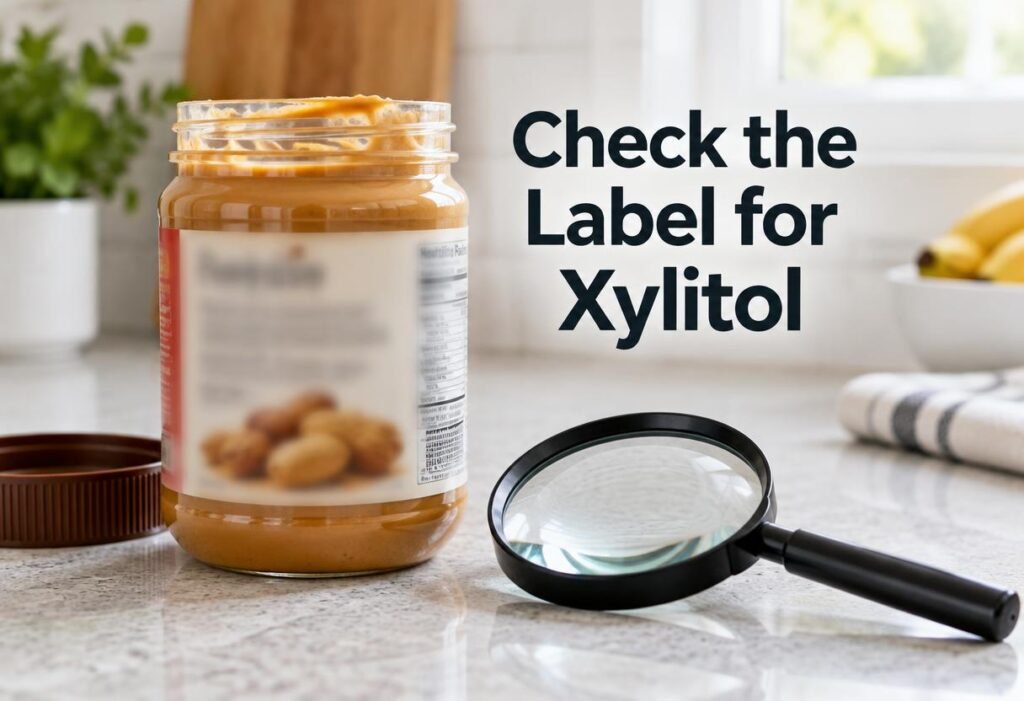
The classic free alternative to pill pockets for dogs is a blob of peanut butter. It works, but the FDA warns that some peanut and nut butters contain xylitol, a sweetener that’s dangerous to dogs and may be listed as “birch sugar” or “wood sugar.” The FDA says low blood sugar can begin within 10 to 60 minutes of a dog eating xylitol, with vomiting followed by weakness, staggering, collapse and seizures, and it specifically advises checking the label before using nut butter to hide pills.
Sugar-free and “reduced sugar” spreads are the ones to watch. If you use peanut butter, read the ingredients every time you buy a new jar, because recipes change. Purpose-made pill pockets for dogs remove that worry, which is a large part of their appeal.
The three-treat trick that makes them work
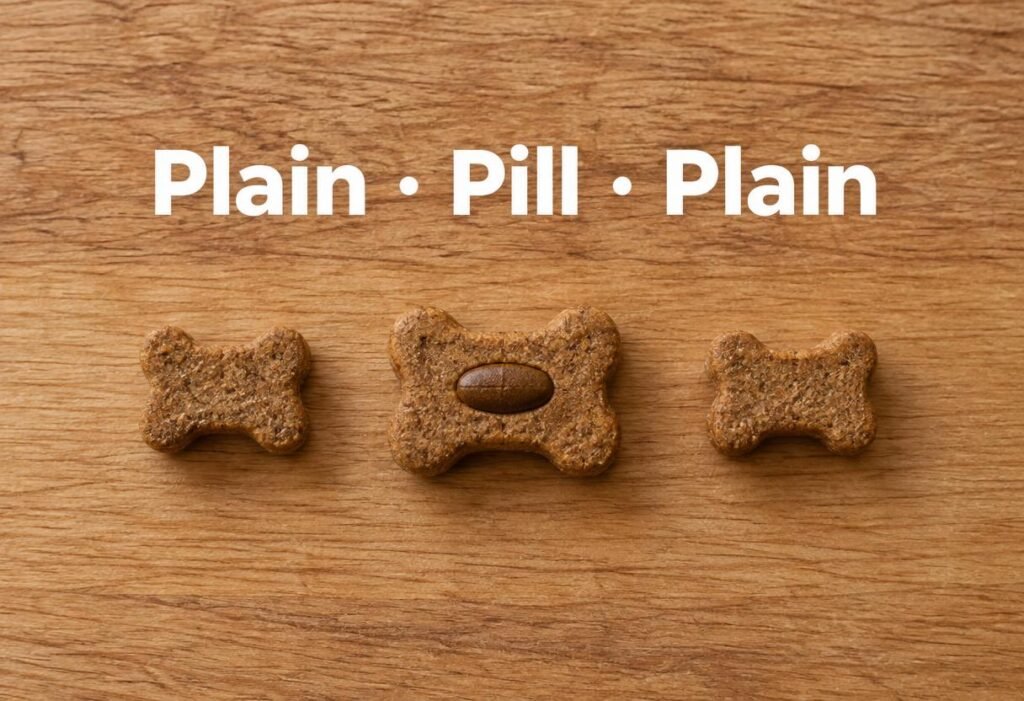
Dogs that refuse pills often aren’t tasting the medicine; they’re reacting to the ritual. You pick up the bottle, you go quiet, you hold out one suspicious treat, and they know. PDSA’s advice is simple and very effective: give a plain treat first, then the treat with the tablet, then another plain one.
- Prepare out of sight. Wrap the pill before your dog sees you, with clean hands so the pocket doesn’t smell of the tablet.
- Give one plain pocket or treat to set up the rhythm.
- Give the loaded pocket straight after, at the same speed and in the same tone of voice.
- Follow immediately with a third plain treat. A dog expecting another reward tends to swallow rather than chew.
- Watch for a swallow and check the floor before you walk away.
Mould the pocket so it’s completely sealed with no corner of the pill showing, and keep it small. A big lump invites chewing, and chewing is how dogs find tablets.
Choose by pill size, not dog size
Pill pockets for dogs come in two sizes, and the names confuse people. “Tablet” or small pockets are made for small, flat tablets. “Capsule” or large pockets are made for capsules and big tablets. A Great Dane on a tiny tablet needs the small size; using a large pocket just makes a bigger mouthful to chew through. A small terrier on a large capsule needs the big one, broken in half if necessary to wrap the pill snugly.
The 3 best pill pockets for dogs
A quick honesty note: all three picks are Greenies. That’s not lazy shopping. Greenies Pill Pockets dominate this category on Amazon by a wide margin; the three listings below are the top three sellers. The real choices are pill size and flavour, so that’s how we’ve organised them. (It’s the same company behind the chews in our Greenies dental treats review, though pill pockets have no dental claims; for that job see our dental chew picks.)
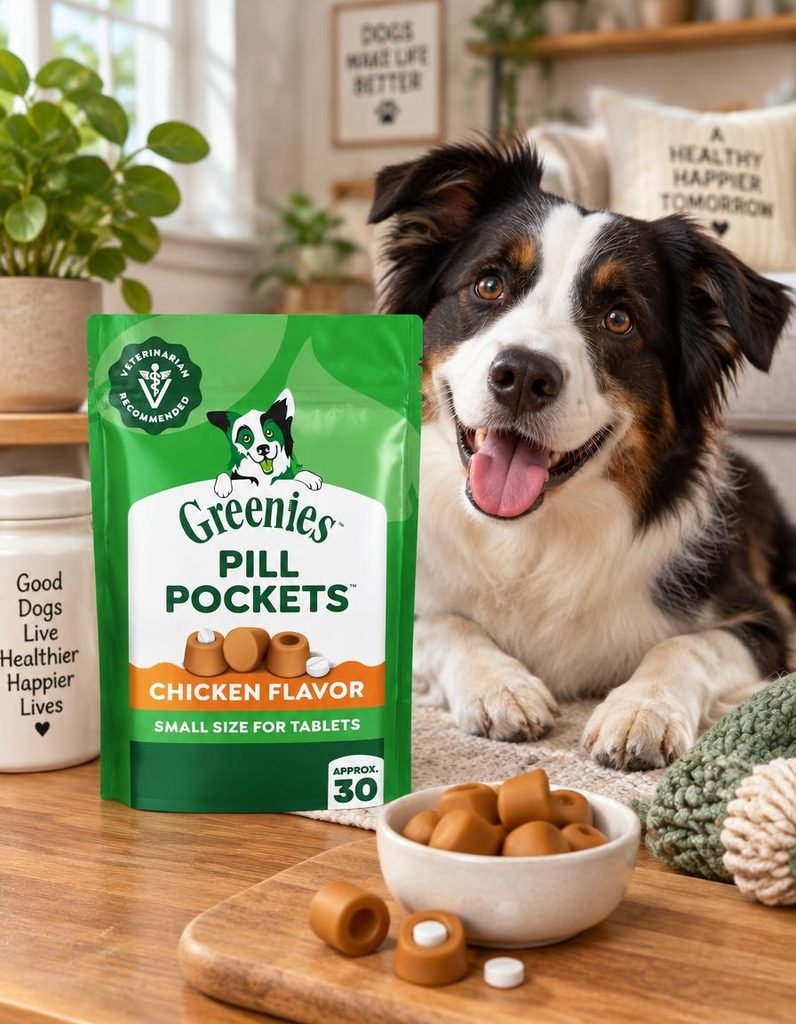
1. Greenies Pill Pockets, Small (Tablet), Chicken – best for tablets
This is the size most dogs need, because most tablets are small. The pocket pinches closed around a tablet into a bite small enough to swallow almost whole, which is exactly the point. Chicken is the safe default flavour for most dogs.
The small pouch is also the cheapest way to find out whether your dog likes them before committing to a large bag. Seal the pouch tightly after each use; these dry out and harden if left open, and a hard pocket won’t mould around a pill.
- Best for: small tablets, dogs of any size, trying pill pockets for the first time
- Size: tablet
- Watch out for: reseal the pouch to keep them soft
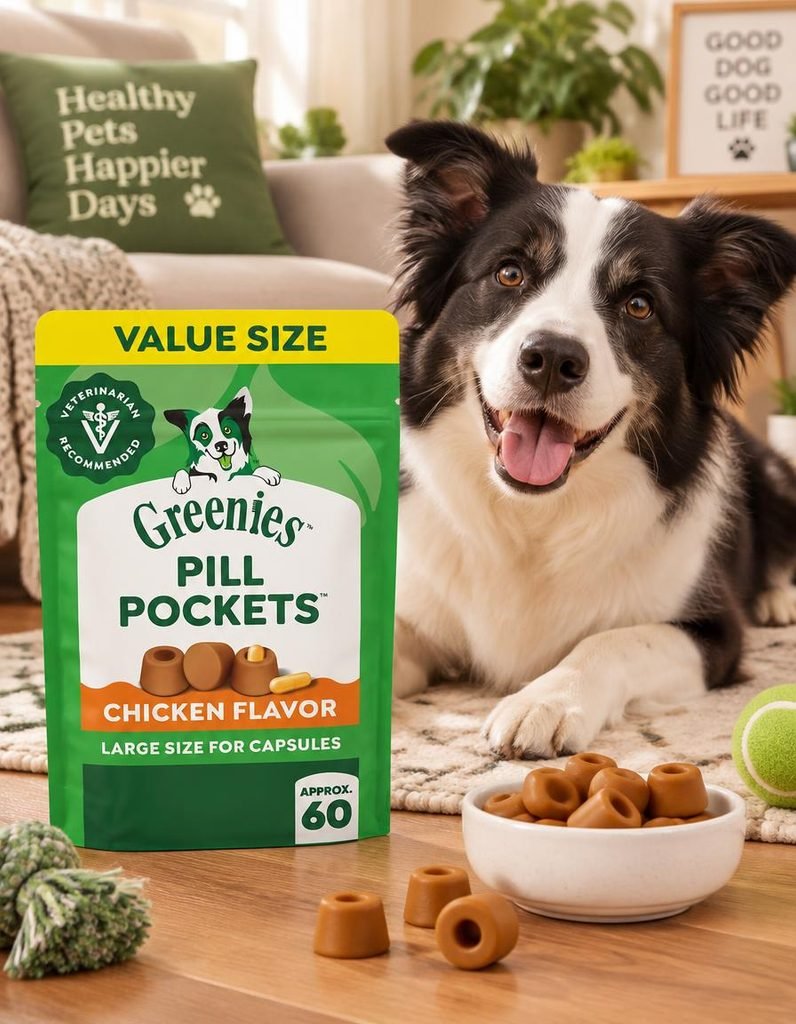
2. Greenies Pill Pockets, Large (Capsule), Chicken – best for capsules and long courses
For capsules, large tablets, or a dog on daily medication for weeks or months, the 15.8-ounce pouch of large pockets is the practical buy. Each pocket wraps a capsule fully, and you can tear one in half for smaller pills, which stretches the bag further.
If your dog is on long-term medication, count pill pockets for dogs as part of the daily treat allowance. They’re treats, and on a twice-daily course they add up. Ease back on other snacks so the extra calories don’t creep on.
- Best for: capsules, large tablets, long courses, multi-dog homes
- Size: capsule, 15.8 oz pouch
- Watch out for: too big a bite for tiny tablets; use the small size for those
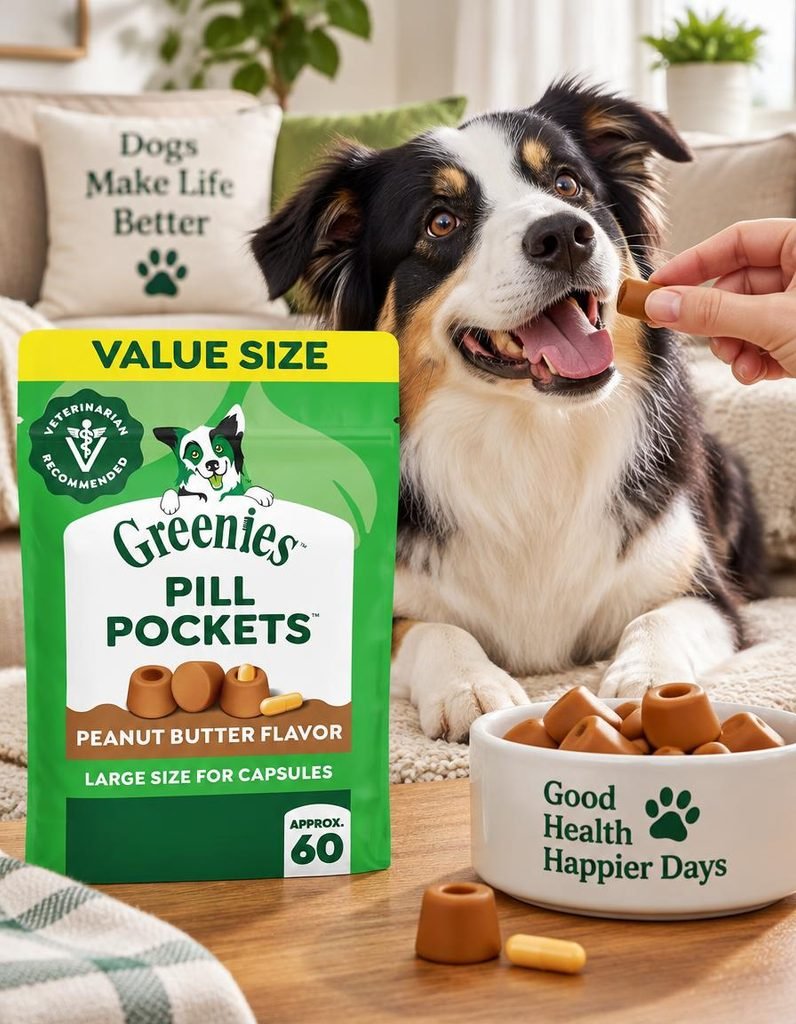
3. Greenies Pill Pockets, Large (Capsule), Peanut Butter – best for picky dogs
Some dogs wise up. After a few weeks of chicken pockets arriving with a pill inside, a clever dog starts treating the flavour itself as a warning. Switching flavour is often enough to reset that. The peanut butter version is Amazon’s top-selling pill pocket and gives you the peanut butter appeal without the xylitol label-checking.
It’s also worth buying if your dog simply prefers peanut butter, or if you want to alternate flavours from the start on a long course. Keeping two flavours in the cupboard makes the three-treat trick easier too: plain treat in one flavour, loaded pocket in the other, and your dog never builds a single “danger” association.
- Best for: picky dogs, dogs that have learned to suspect chicken pockets, peanut butter fans
- Size: capsule, 15.8 oz pouch
- Watch out for: check ingredients if your dog has any food allergies
Pill pockets add calories too, especially on long courses of medication. Check your dog’s daily treat budget with the calculator below.
Dogs with food allergies
If your dog is on an elimination diet or has a diagnosed food allergy, check the full ingredient list before using any pill pockets for dogs. Flavoured pockets contain more than their headline ingredient, and a single non-diet treat can muddy weeks of an elimination trial. Your vet may suggest wrapping the pill in a small piece of your dog’s prescribed food instead, or a prescription-friendly alternative.
More tips when pockets aren’t enough
- Give it when your dog is hungry, just before a meal, so the treat gets gulped.
- Make it a game. Toss the plain treats for your dog to catch, then the loaded one. Dogs swallow caught treats fast.
- Keep your hands clean. Wash or wipe your fingers after handling a strong-smelling pill so the scent doesn’t transfer to the pocket.
- Learn to pill by hand. PDSA describes tilting the head up, placing the tablet far back on the tongue, closing the mouth and gently stroking the throat, then rewarding. Ask your vet to demonstrate.
- Ask about other forms. If pilling keeps failing, ask whether a liquid, chewable or spot-on version exists.
It also helps to keep regular treat time positive and pill-free, so treats in general don’t become suspicious. Our dog training treat picks are small enough to use as the “plain” treats in the three-treat routine. And if you’re stocking a cupboard for future illnesses, our dog first aid kit guide covers the rest.
FAQ
Are pill pockets safe for dogs?
For most dogs, yes. They’re treats designed for this purpose. Check with your vet that the medicine can be given with food, count the pockets as part of the daily treat allowance, and check ingredients if your dog has allergies.
Can I use peanut butter instead of pill pockets for dogs?
Yes, as long as it doesn’t contain xylitol, which may also be listed as birch sugar or wood sugar. The FDA advises checking the label before using nut butter to hide pills.
Can I cut a pill to fit in a pill pocket?
Only if your vet or pharmacist says the tablet can be split. Some medicines don’t work properly if they’re broken or crushed.
My dog eats the pocket and spits out the pill. What now?
Use a smaller amount of pocket sealed completely around the pill, give it between two plain treats, and try tossing it so your dog catches and swallows. If that still fails, switch flavour or ask your vet to show you how to pill by hand.
Do pill pockets go hard?
Yes, if the pouch is left open. Press the air out and reseal it after every use, and store it somewhere cool.
The bottom line
Pill pockets for dogs work best when you check two things first (can this medicine go with food, and can it be split?) and then use the three-treat rhythm so your dog never sees the pill coming. Buy the small Greenies size for tablets and the large for capsules, and keep a second flavour on hand for the day your dog gets suspicious. If you ever use peanut butter instead, read the label for xylitol every single time.
Still looking for something?
Find the Right Gear for Your Dog
Tell us what's going on, and we'll point you to the picks and guides that fit your dog.
Describe what you needTry: pulls on the leash sheds everywhere peeing inside crate size