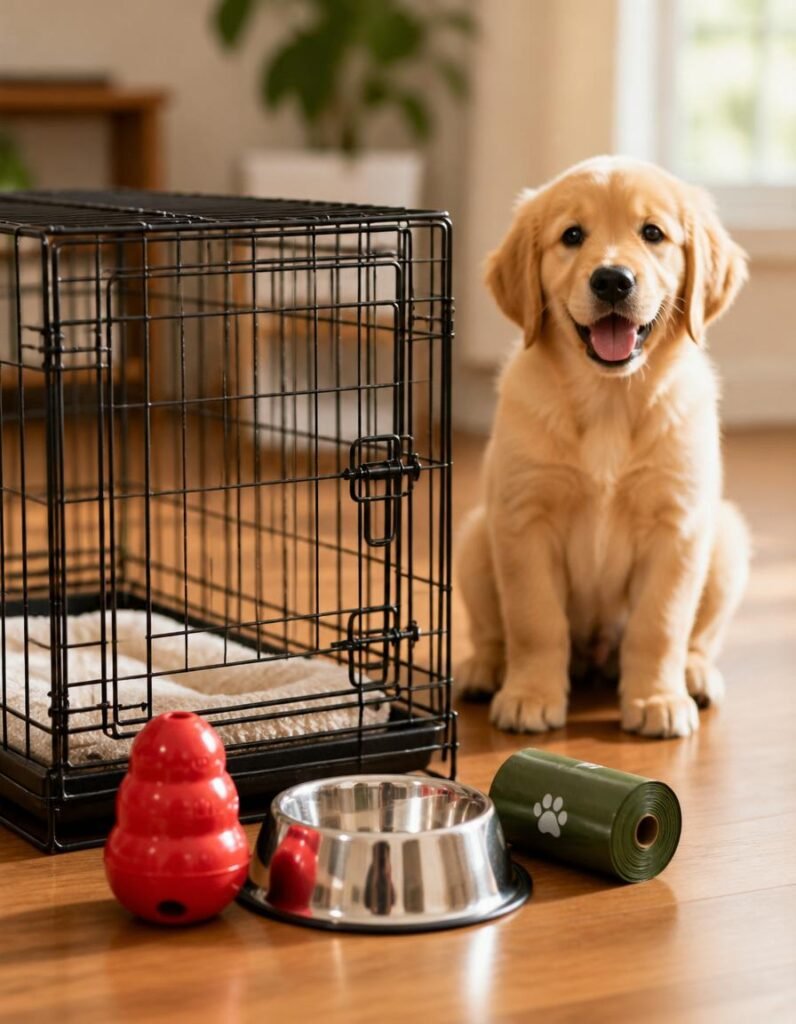
Wondering what size dog crate to buy? Get it right, and the crate becomes your dog’s favorite den and your best training tool. Get it wrong, and you either cramp your dog or sabotage potty training with too much space. This guide gives you the exact sizing rules, a simple chart by weight and breed, and the answers to the questions every crate shopper asks.
Table of Contents
- The Golden Rule of Crate Sizing
- How to Measure Your Dog for a Crate
- What Size Dog Crate by Weight and Breed (Chart)
- What Size Dog Crate for a Puppy?
- Why Bigger Is Not Better
- Frequently Asked Questions
- Final Thoughts
The Golden Rule of Crate Sizing
Your dog should be able to stand up without crouching, turn around easily, and lie down fully stretched out. When sitting, there should be about 2 inches of clearance above their head. If any of those feel tight, go one size up. That is the whole rule, and every recommendation in this guide flows from it.
How to Measure Your Dog for a Crate
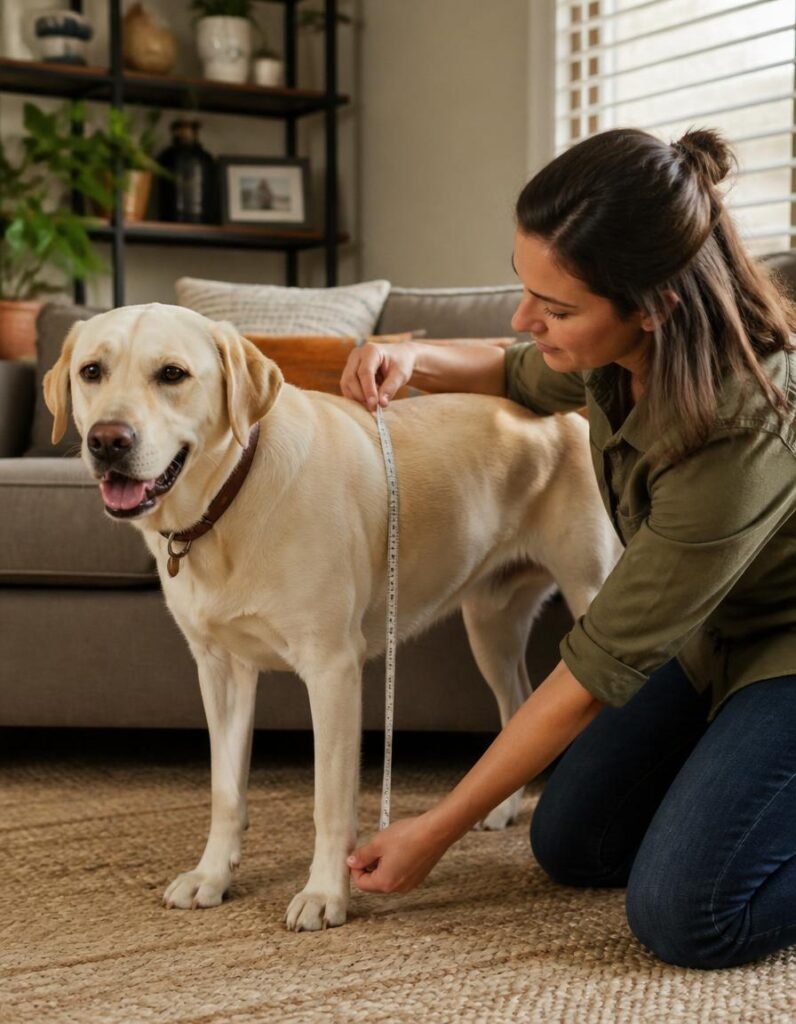
Forget guessing from breed alone. The American Kennel Club’s crate guide recommends two measurements: with your dog standing, measure from the top of the head to the floor for height, and from the tip of the nose to the base of the tail for length. Add 3 to 4 inches to each number, and that is the minimum interior size your crate needs. If you use a thick crate mat or bed, add its height too.
What Size Dog Crate by Weight and Breed
If you are asking what size dog crate fits your breed, this chart covers the standard sizes sold by most crate makers. Use it as a starting point, then confirm with your dog’s actual measurements, because individual dogs vary a lot within any breed.
| Crate Length | Dog Weight | Example Breeds |
|---|---|---|
| 18 to 22 inches | Up to 12 lbs | Chihuahua, Yorkshire Terrier, Maltese |
| 24 inches | 13 to 25 lbs | Pug, Miniature Dachshund, Jack Russell |
| 30 inches | 26 to 40 lbs | Beagle, French Bulldog, Cocker Spaniel |
| 36 inches | 41 to 70 lbs | Border Collie, Bulldog, Australian Shepherd |
| 42 inches | 71 to 90 lbs | Labrador, Golden Retriever, German Shepherd |
| 48 inches | 91 lbs and up | Rottweiler, Great Dane, Mastiff |
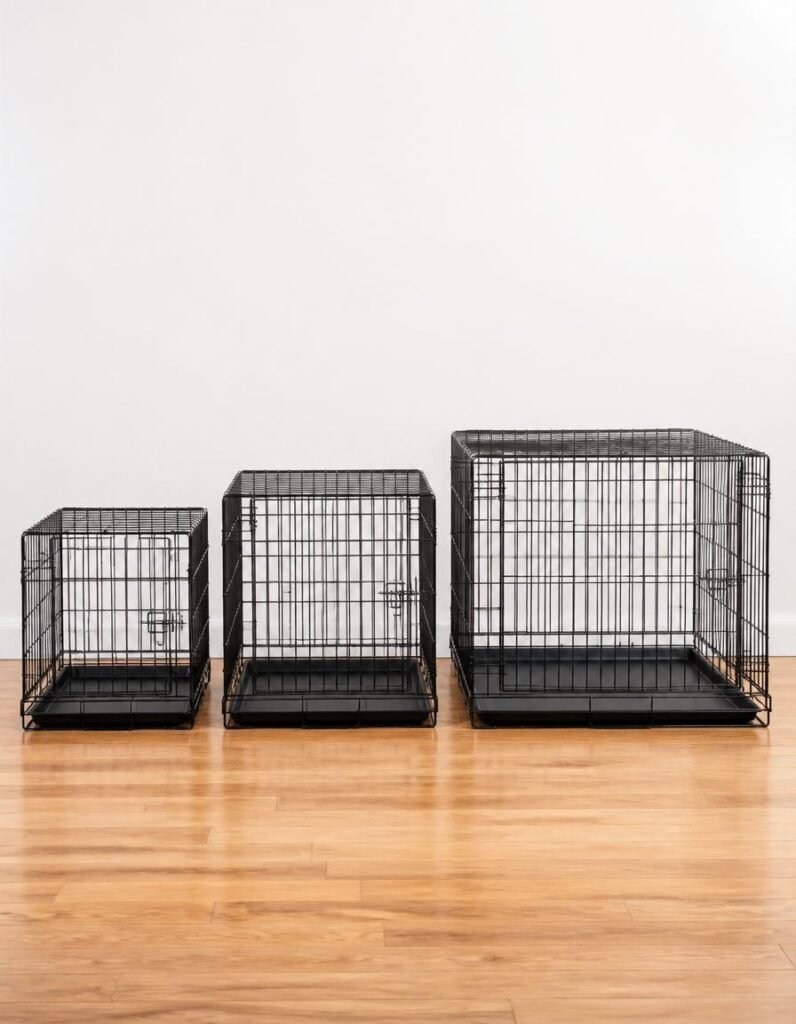
These sizes match the standard wire crates you will find everywhere, including the MidWest iCrate we tested in our full iCrate review. It comes in every size on this chart and stays affordable even at the larger end.
What Size Dog Crate for a Puppy?
Buy for the adult dog your puppy will become, not the puppy in front of you. Look up your breed’s typical adult size, choose that size crate, and use a divider panel to shrink the interior while your puppy is small. As they grow, move the divider back. This saves you from buying two or three crates, and it keeps the space snug enough for potty training. Our guide on how to crate train a puppy walks through exactly how to introduce the crate from day one.
Why Bigger Is Not Better
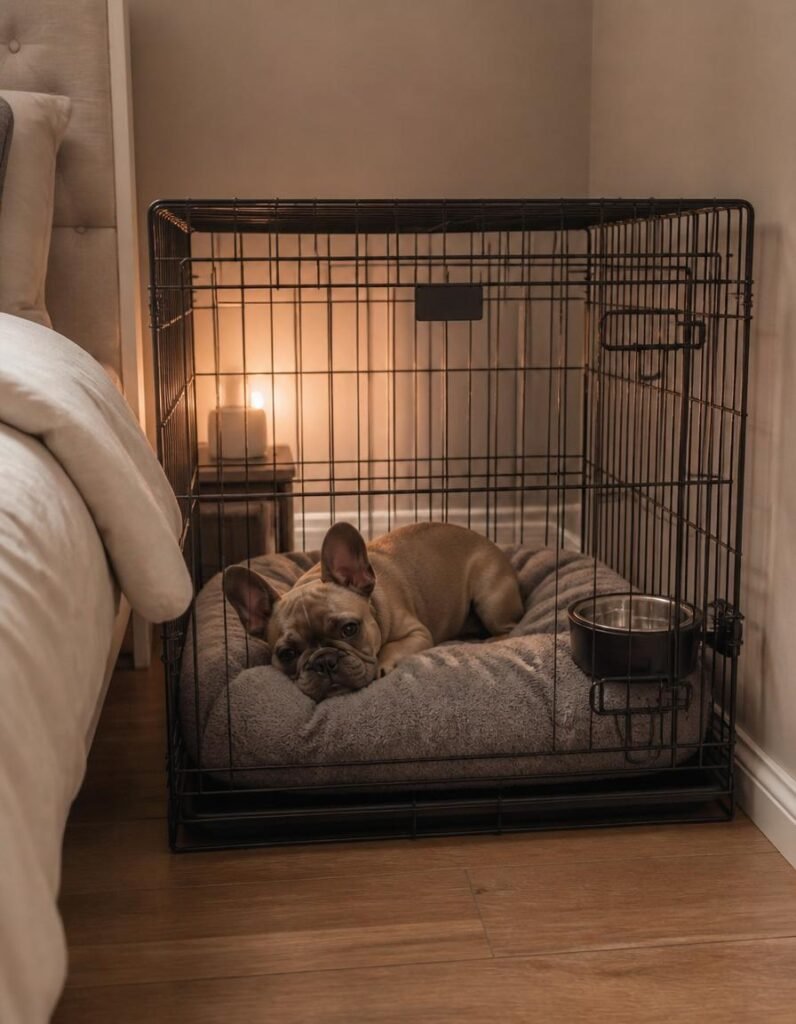
A generous crate feels kind, but dogs do not want a ballroom. They want a den. Too much space removes the cozy, enclosed feeling that makes a crate calming. Worse, during potty training, a puppy with extra room will sleep at one end and go to the bathroom at the other, which is exactly the habit you are trying to prevent. Knowing what size dog crate to choose means resisting the urge to super-size.
Related reading: the best dog crate covers and our Furhaven orthopedic bed review.
Gear for the Right-Sized Crate
Once you know the size you need, these are the two pieces we would start with. Our MidWest iCrate review covers sizing in more detail.
MidWest iCrate
Comes in multiple sizes with a divider panel, so you can buy for your dog’s adult size and block off extra space while they are a puppy.
MidWest Quiet Time Privacy Crate Cover
Our best overall pick in the crate cover roundup. It turns a wire crate into a quieter, den-like space.
Frequently Asked Questions
How do I know what size dog crate to get? Measure your standing dog from nose to tail base and from head to floor, then add 3 to 4 inches to each. Match those numbers against the crate’s interior dimensions, not the box label. When in doubt between two sizes, take the larger one for an adult dog, and use a divider if potty training.
Is a 42-inch crate big enough for a Labrador? For most Labradors, yes. A typical adult Lab in the 65 to 80 lb range fits a 42-inch crate comfortably. A particularly large male or a Lab mix on the bigger side may need a 48-inch crate, so measure first.
Should I buy a bigger crate so my dog has more room? No. Beyond the stand, turn, and stretch rule, extra space works against you. It weakens the den feeling dogs love and lets puppies use one end as a bathroom. Right-sized beats over-sized every time.
What size dog crate should I get for a puppy that will grow? Choose the size that matches your puppy’s expected adult weight, then use a divider panel to make it smaller for now. Most wire crates on the chart above sell with a divider included or available separately.
Final Thoughts
That is what size dog crate really comes down to: measure your dog, add a few inches, check the chart, and size for the adult if you have a puppy. A crate that fits properly becomes a calm, safe den your dog chooses on their own, and it makes every kind of training easier. Once you have the size sorted, the iCrate review above is the natural next stop for picking the actual crate.
Disclosure: dailypetpicks.com is a participant in the Amazon Services LLC Associates Program, an affiliate advertising program designed to provide a means for sites to earn advertising fees by advertising and linking to Amazon.com. This means we may earn a small commission if you purchase through our links, at no extra cost to you.