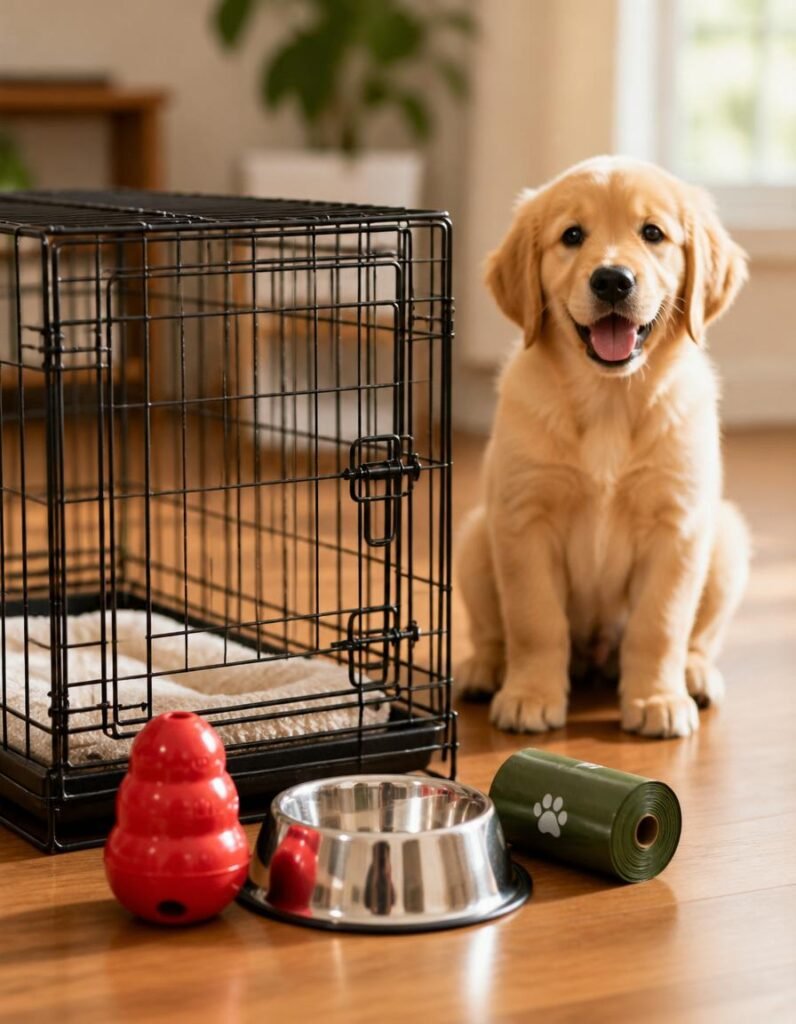
Coming home to a destroyed shoe, a shredded cushion, or a chewed-up table leg is every dog owner’s nightmare. Destructive chewing is one of the most common and frustrating dog behaviors — but the good news is that it is very fixable once you understand why it happens. This guide breaks down exactly how to stop a dog from chewing the wrong things, with proven, gentle methods that redirect the behavior instead of just punishing it.
Table of Contents
- Why Dogs Chew
- Step 1: Provide the Right Chew Toys
- Step 2: Dog-Proof Your Home
- Step 3: Supervise and Redirect
- Step 4: Burn Energy and Boredom
- Step 5: Address Anxiety
- Chewing by Age
- What Not to Do
- Frequently Asked Questions
- Final Thoughts
Why Dogs Chew
Before you can stop a dog from chewing, you need to understand why they do it. Chewing is a completely natural, healthy behavior for dogs — the goal is never to stop it entirely, but to redirect it onto appropriate things. Dogs chew for several reasons:
- Teething — Puppies chew to relieve the discomfort of incoming adult teeth.
- Boredom — An under-stimulated dog chews to entertain itself.
- Anxiety — Stress and separation anxiety often come out as destructive chewing.
- Exploration — Dogs investigate the world with their mouths, especially puppies.
- Excess energy — A dog that has not been exercised enough finds an outlet, often a destructive one.
Once you know the cause behind your dog’s chewing, the fix becomes much clearer. For a vet-backed overview, the American Kennel Club’s guide on destructive chewing is a helpful reference.
Step 1: Provide the Right Chew Toys
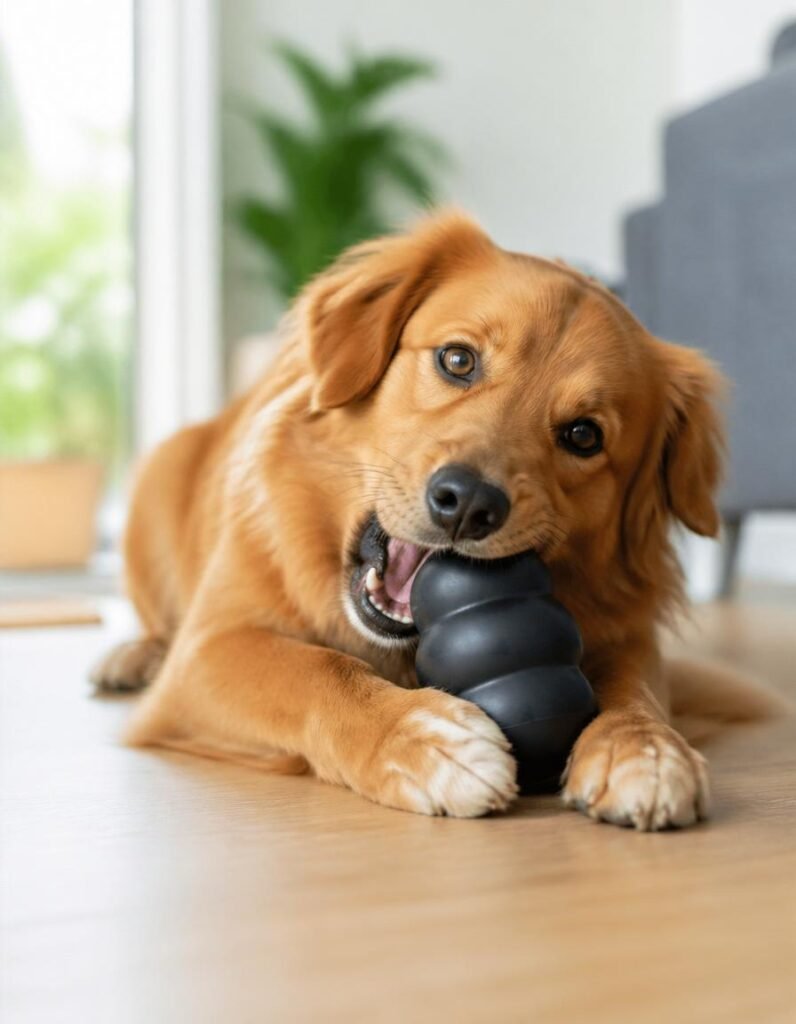
The single most important step to stop a dog from chewing your belongings is giving them something better to chew. Dogs need an appropriate outlet, so stock up on durable, safe chew toys.
- For power chewers, a tough rubber toy is essential — see our KONG Extreme review for the toughest option.
- For long-lasting nylon chews, our Nylabone DuraChew review covers a great pick for aggressive chewers.
- Rotate toys to keep them interesting, and stuff a hollow toy with treats or freeze it for extra engagement.
When your dog has appealing, dog-appropriate things to chew, your shoes and furniture become far less tempting.
Step 2: Dog-Proof Your Home
You cannot expect a dog to resist temptation that is lying right there. To stop a dog from chewing the wrong things, remove the opportunity:
- Keep shoes, remotes, kids’ toys, and cables out of reach.
- Use baby gates to block off rooms when you cannot supervise.
- Crate or confine your dog safely when you are out, with safe chew toys available.
- Tidy up clutter that an exploring dog might grab.
Management is half the battle, especially with puppies who do not yet know the rules.
Step 3: Supervise and Redirect
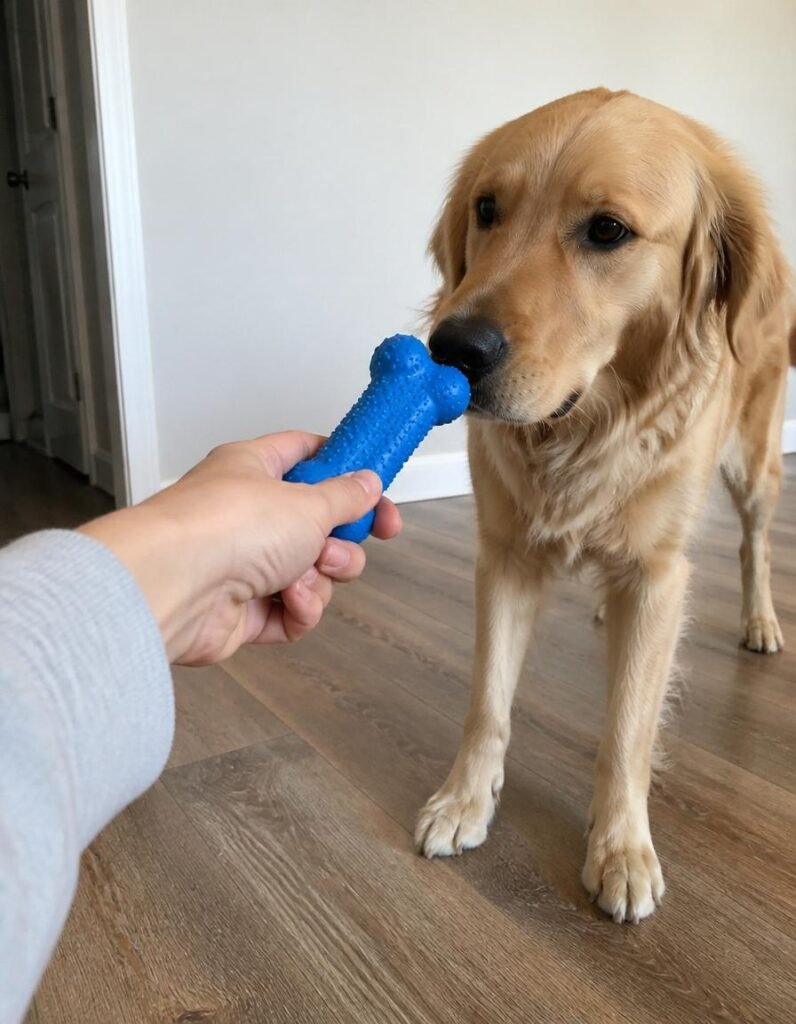
When you are home, supervision lets you teach the right habits. The core technique to stop a dog from chewing the wrong item is simple redirection:
- When you catch your dog chewing something they should not, calmly interrupt with a cheerful sound.
- Immediately swap the forbidden item for an approved chew toy.
- Praise enthusiastically the moment they chew the right thing.
This teaches your dog what is theirs to chew, without fear or conflict. Consistency is everything — every redirection reinforces the lesson.
Step 4: Burn Energy and Boredom
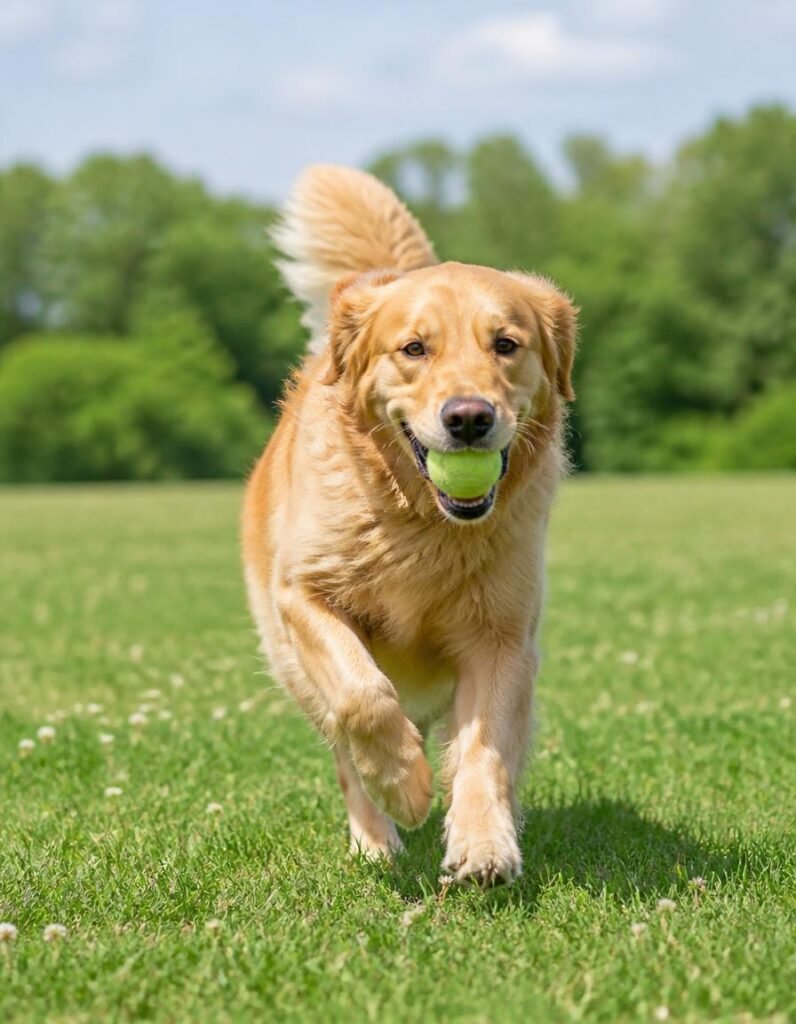
A tired, mentally satisfied dog has little reason to chew destructively. Much of the time, the way to stop a dog from chewing is simply more exercise and enrichment:
- Give daily walks and active play to burn physical energy.
- Use puzzle toys, lick mats, and training games for mental stimulation.
- Teach new tricks or commands to tire the mind.
Boredom and pent-up energy are two of the biggest chewing triggers, and addressing them solves a huge share of chewing problems.
Step 5: Address Anxiety
If your dog chews mainly when left alone, the root cause may be separation anxiety rather than boredom. To stop a dog from chewing in this case, you need to ease the anxiety itself — through gradual alone-time training, calming routines, enrichment toys left out when you go, and in some cases guidance from a vet or trainer. Punishment makes anxiety-based chewing worse, so focus on building your dog’s confidence instead.
Chewing by Age
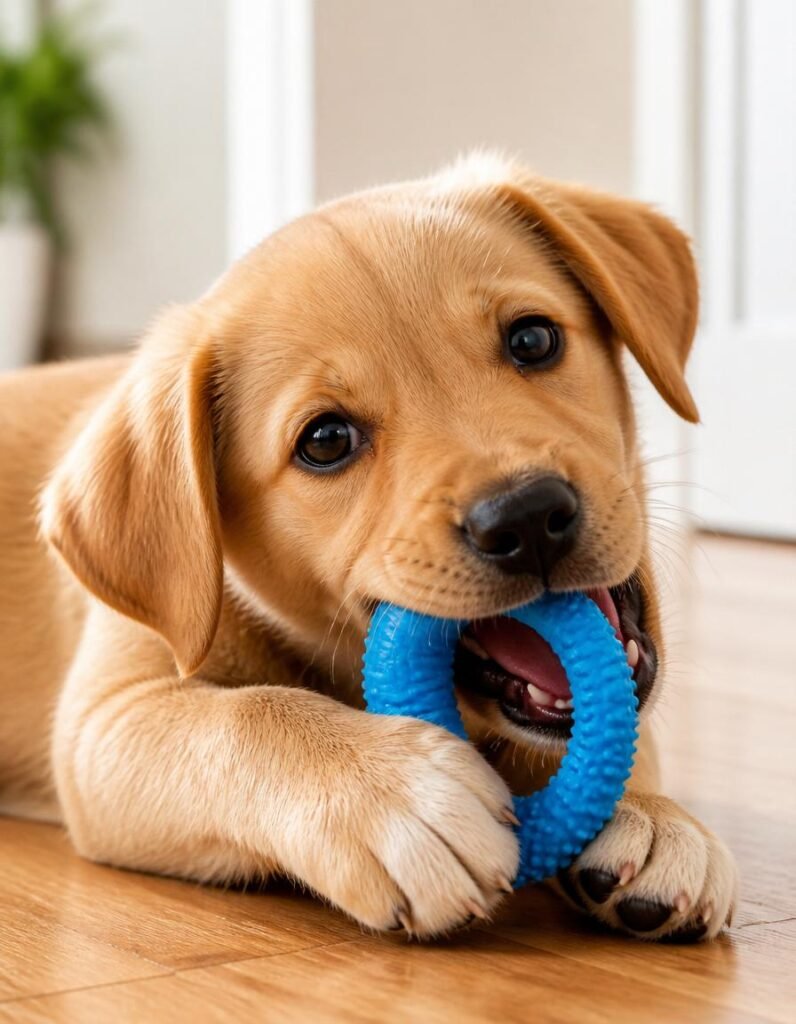
Chewing changes as dogs grow:
- Puppies (under 6 months) chew heavily while teething. Offer safe chew toys, frozen washcloths, and patience — this phase passes.
- Adolescents (6 to 18 months) chew from energy and boredom as adult teeth settle in. Exercise and consistent redirection are key.
- Adults that chew destructively usually do so from boredom, anxiety, or insufficient exercise rather than teething.
Matching your approach to your dog’s age makes it far easier to stop a dog from chewing the wrong things.
What Not to Do
- Do not punish after the fact. Dogs do not connect punishment with something they did earlier; it only creates fear.
- Do not chase your dog for a stolen item — it turns destruction into a fun game.
- Do not give old shoes or socks as toys. Your dog cannot tell the difference between an old shoe and a new one.
- Do not rely on deterrent sprays alone. Bitter sprays can help, but only alongside the steps above.
Gear That Helps Stop Destructive Chewing
Redirecting chewing works best with two things: something that tastes bad on the furniture and something better to chew instead. See our no-chew spray guide for more.
Rocco & Roxie No Chew Spray
Our best overall no-chew spray. Spray it on the things you want left alone.
Nylabone DuraChew
A long-lasting chew for strong chewers. Read our Nylabone DuraChew review.
KONG Classic Dog Toy
Durable rubber that you can stuff with food to make the legal chew more interesting. See our KONG Classic review.
Frequently Asked Questions
How do I stop a dog from chewing everything? Provide appealing chew toys, dog-proof your home, supervise and redirect to the right toys, and make sure your dog gets enough exercise and mental stimulation. Address anxiety if chewing happens when alone.
Why has my dog suddenly started chewing? Sudden chewing can signal boredom, a change in routine, anxiety, or in puppies, teething. Look at what changed and whether your dog is getting enough exercise and stimulation.
Do anti-chew sprays work? Bitter deterrent sprays can discourage chewing on specific items, but they work best alongside chew toys, supervision, and exercise rather than on their own.
Will my puppy grow out of chewing? Heavy teething-related chewing eases after the adult teeth come in, usually around six months. But all dogs need appropriate chew outlets for life, so keep providing good toys.
Final Thoughts
Learning how to stop a dog from chewing the wrong things is really about redirection, not punishment. Understand why your dog chews, give them appealing chew toys, manage their environment, supervise and redirect, and meet their needs for exercise and mental stimulation. Address anxiety if that is the cause, and match your approach to your dog’s age. Stay consistent and patient, and your dog will learn to satisfy their natural urge to chew on their toys — and leave your shoes alone.
Disclosure: dailypetpicks.com is a participant in the Amazon Services LLC Associates Program, an affiliate advertising program designed to provide a means for sites to earn advertising fees by advertising and linking to Amazon.com. This means we may earn a small commission if you purchase through our links, at no extra cost to you.