DailyPetPicks is reader-supported. As an Amazon Associate, we earn from qualifying purchases, at no extra cost to you.
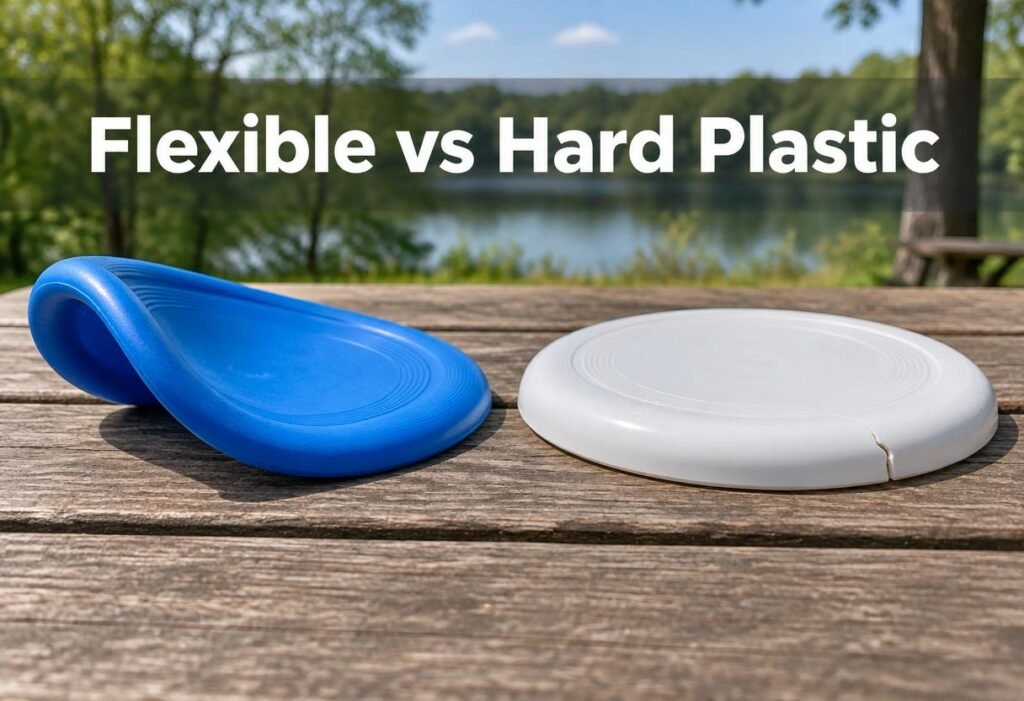
The frisbee in your garage is the wrong disc for your dog. A hard plastic flying disc is built to be caught by human hands; caught at speed in a dog’s mouth, it can chip or fracture a tooth, and once it’s been chewed its cracked edges can cut gums. A proper dog frisbee is made from rubber, nylon, or soft, flexible plastic so the dog can grab it hard without paying for it at the dentist.
The disc is only half of it, though. How you throw matters as much as what you throw, because the spectacular high leaps you see in videos are exactly what puts a dog’s knees at risk. Below are four picks for the best dog frisbee, plus the throwing habits that keep the game fun for years.
Why a dog frisbee has to be soft
A vet-reviewed Dogster guide spells out the risks of hard discs: chewing wears teeth down, a disc caught at speed can fracture a tooth, broken pieces can cut the mouth, and swallowed fragments can cause a blockage. It recommends dog-friendly materials and replacing any disc that’s worn or torn straight away.
That gives you three things to look for in a dog frisbee:
- Give. Press the rim with your thumb. It should flex. Rubber and soft plastic discs bend on impact instead of jarring teeth.
- A soft edge. The rim is what the dog bites. Rubber-edged or one-piece soft discs are kinder than hard rims.
- Size matched to the mouth. A disc too big for a small dog is hard to grab and drag back; one too small for a big dog can be a choking risk once chewed. Most good discs come in two sizes.
The bigger risk: how you throw
Dogs chasing a disc jump, twist in the air and land on one or two legs, then stop and turn sharply. The same vet-reviewed guide lists cranial cruciate ligament tears, fractures and soft tissue strains among the injuries that come from awkward landings and sudden direction changes. Knee injuries are common in canine sport generally: a 2024 survey of more than 4,000 agility dogs published in Frontiers in Veterinary Science found that 5.2 percent had a history of stifle (knee) injury, with cruciate ligament rupture the most common diagnosis, and heavier body weight among the risk factors.
You don’t need to stop playing; you need to throw differently. Rolling or skimming the dog frisbee low and flat, straight away from your dog, turns the game into a running chase rather than a leaping one. Save the high catches for a fit adult dog that’s warmed up, and never throw so the dog has to twist sharply to reach it.
- Throw low, far, and straight away from the dog. The catch should happen at chest height or below.
- Warm up first. A few minutes of walking and gentle trotting before full-speed chasing.
- Pick soft, non-slip ground. Grass beats concrete, wet decking, or icy paths.
- Stop before the dog wants to. Many disc-obsessed dogs won’t quit on their own. Five to ten good throws, then a break.
- Go gently with puppies and seniors. Growing and ageing joints are the most vulnerable. Rolling the disc along the ground is plenty for them.
The 4 best dog frisbee picks
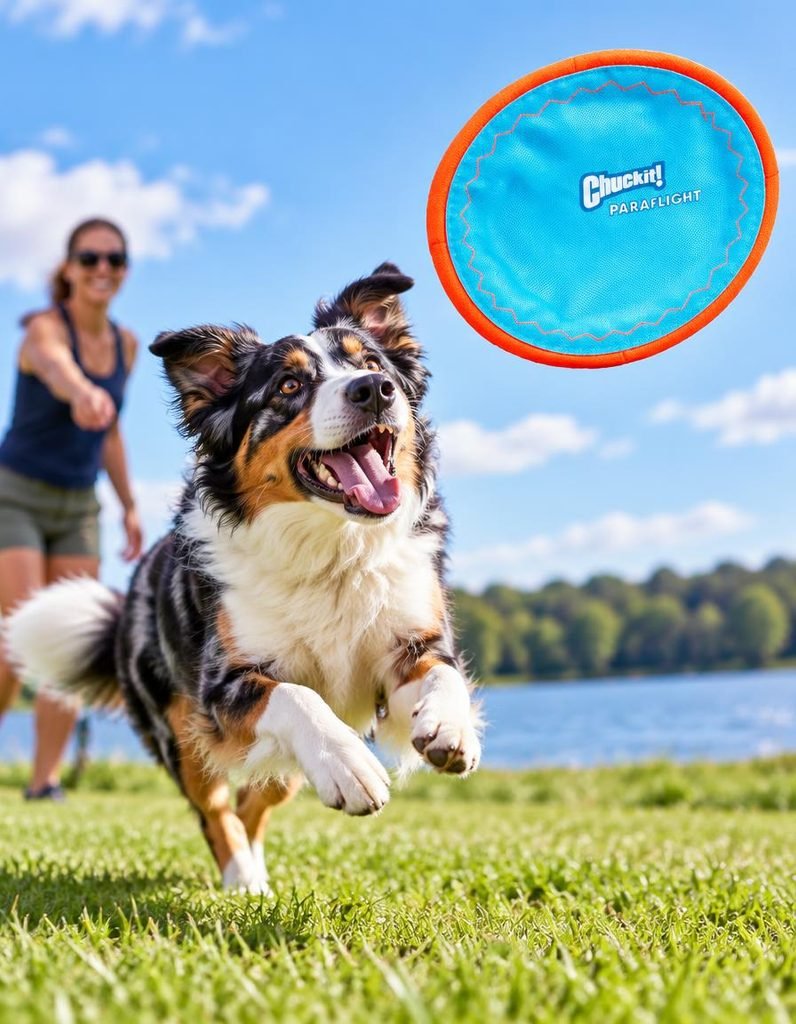
1. Chuckit! Paraflight Flying Disc – best overall
The Paraflight is Amazon’s best-selling dog frisbee, and it earns the spot by doing the safety basics well. It’s made from durable nylon with soft rubber edges, so the part your dog bites gives a little, and it floats, which makes it a strong pick for dogs that love the lake or the beach.
It’s also light and glides slowly, which suits the low, flat throwing style above: your dog has time to run under it rather than launching after it. Nylon isn’t a chew toy, though. Put it away when the game ends rather than leaving it with a dog that likes to shred things. If your dog is a fetch fanatic, it pairs naturally with the ball we cover in our Chuckit! Ultra Ball review.
- Best for: most medium and large dogs, water-loving dogs, beginners
- Material: nylon with soft rubber edges; floats
- Watch out for: not for chewing; store it after play
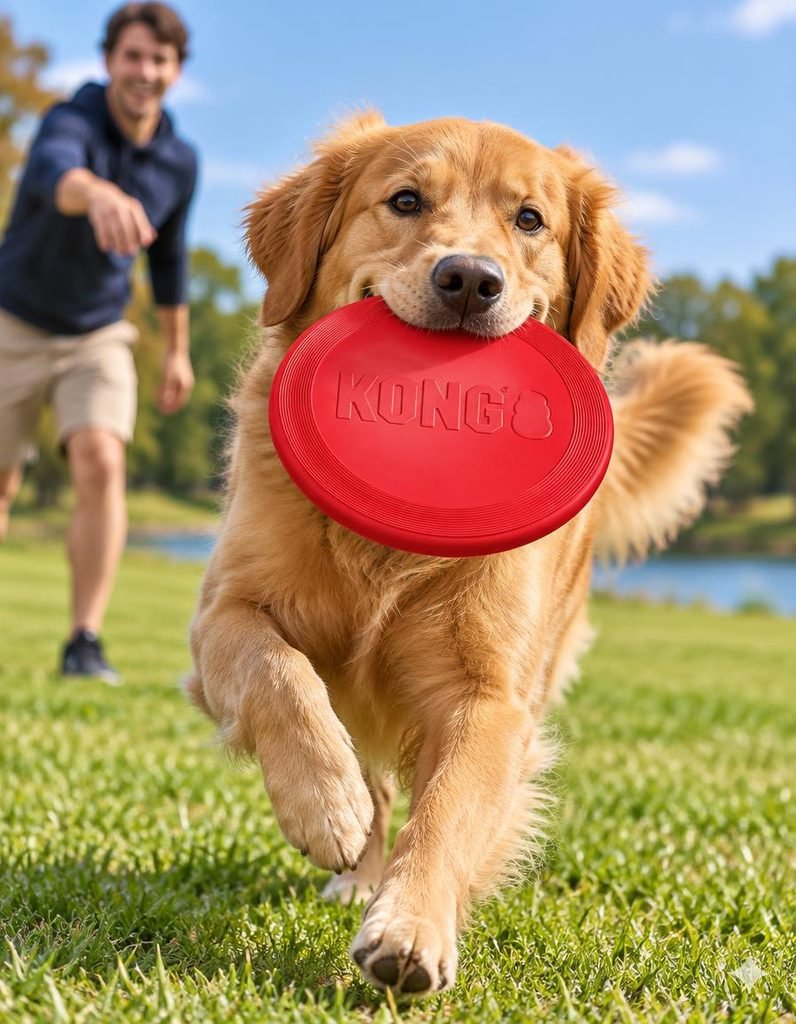
2. KONG Flyer, Large – best for strong grabbers
The KONG Flyer is a natural rubber disc, made from the same family of rubber as KONG’s famous chew toys. That makes it the most forgiving dog frisbee here when a powerful dog snaps it out of the air: there’s no hard rim at all, just flexible rubber. It’s one of Amazon’s top two flying discs for dogs.
Rubber is heavier than nylon, so it flies faster and doesn’t glide as far. That’s a plus in wind and for short, low throws, and a minus if you want long floating flights. It’s tougher than most discs, but it’s still a fetch toy, not a chew toy. If you want something to chew, our KONG Classic review covers the toy built for that.
- Best for: strong, enthusiastic medium to large dogs, windy days
- Material: natural rubber, no hard rim
- Watch out for: doesn’t float like nylon; shorter flights
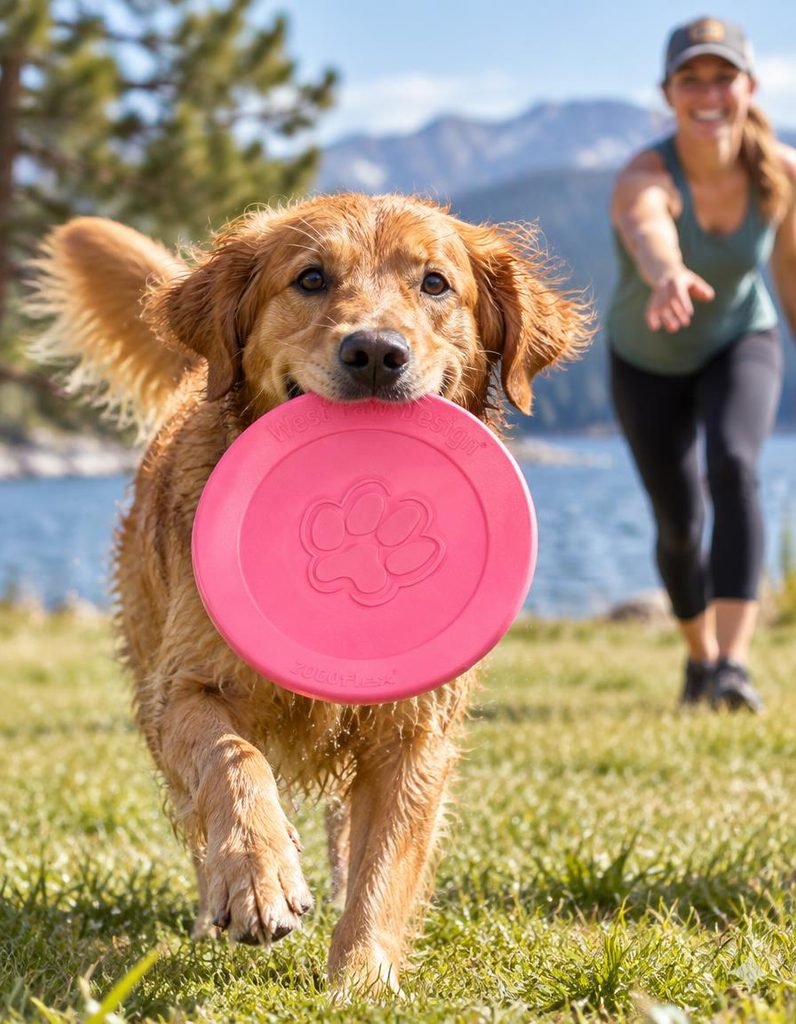
3. West Paw Zogoflex Zisc, Large – best for tough dogs and water
The Zisc is the dog frisbee to buy if your dog destroys everything else. It’s an 8.5-inch disc made from West Paw’s soft but tough Zogoflex material; it floats, it’s dishwasher safe and BPA-free, and it’s made in the USA. It also sits in Amazon’s top ten dog flying discs.
The real selling point is West Paw’s guarantee: if your dog damages it, the company offers a one-time replacement or refund. The soft material flexes on a catch and is easy on teeth. West Paw’s toys have impressed us before; see our West Paw Zogoflex Hurley review. One quirky bonus: it doubles as a water bowl on a hike, alongside one of our dog water bottle picks.
- Best for: heavy chewers, water dogs, owners who want a guarantee
- Material: soft, tough Zogoflex; floats; dishwasher safe
- Watch out for: flies differently from a classic disc; expect a few practice throws
4. KONG Flyer, Small – best for small dogs
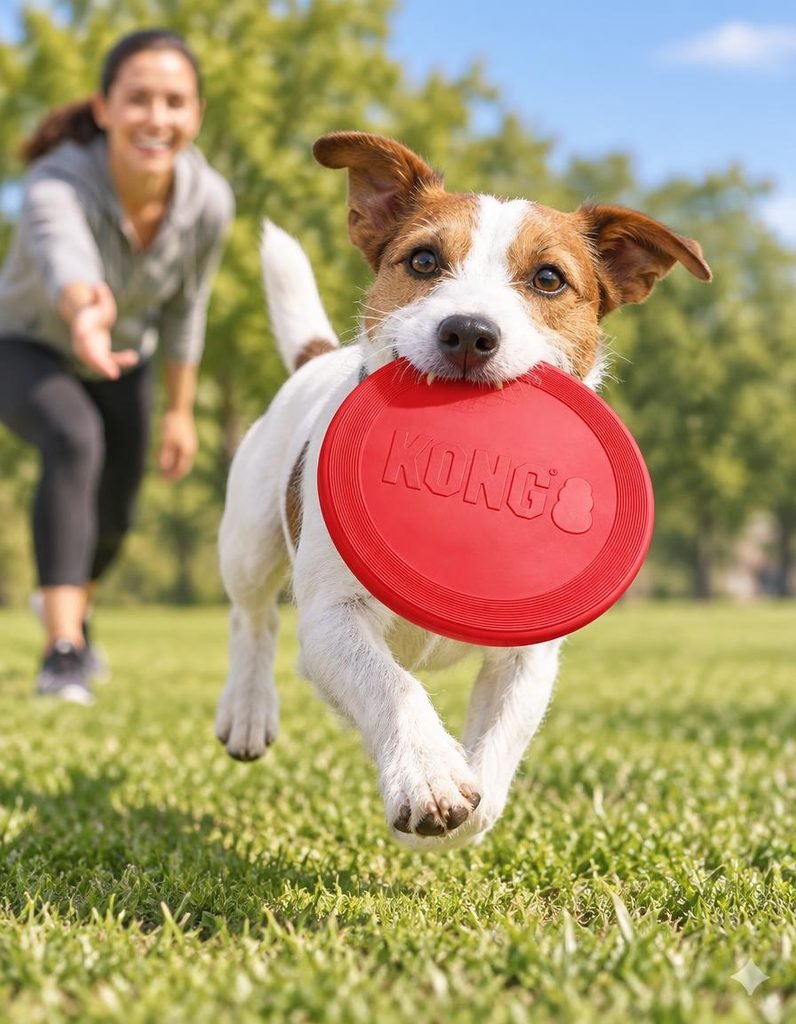
Small dogs are usually handed discs sized for Labradors, which they can’t grip properly and end up dragging home by the edge. The small KONG Flyer is the same flexible rubber disc as pick 2 scaled down so a terrier or a small spaniel can grab it in the middle and carry it back comfortably. It’s one of Amazon’s top three flying-disc listings in its own right.
For small dogs especially, keep throws low and short. Little legs and backs don’t need big leaps, and a rolled disc gives just as much chase. Check how much running your dog actually needs in our guide to how much exercise a dog needs.
- Best for: small breeds and young dogs learning to catch
- Material: natural rubber
- Watch out for: too small for big dogs once chewed; size up for anything over about 30 lb
How to teach a dog to catch a frisbee
- Make the disc valuable. Serve a meal or a few treats on the upturned disc so your dog learns it means good things.
- Play tug and “take it” up close. Hold the disc and let your dog grab it, rewarding a firm grip in the middle.
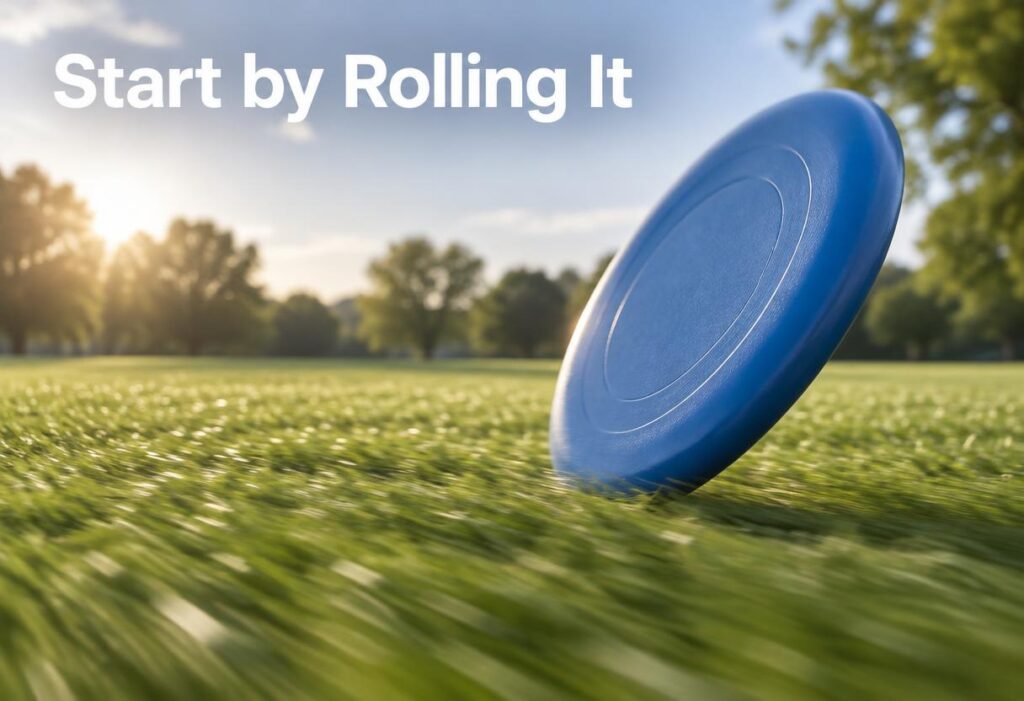
- Roll it. Roll the disc along the ground like a wheel. Most dogs chase a rolling disc instantly. Reward the pick-up and the return.
- Short, low tosses. Once your dog chases and grabs reliably, start gentle floating throws at chest height from a few feet away.
- Add distance, not height. Increase how far you throw before you ever increase how high.
- Teach a “drop” or “give”. Trade the disc for a treat so returns stay quick and happy. A small training treat works best.
Keeping a dog frisbee safe over time
Check the disc before every session. Run your finger around the rim for cracks, tears and sharp edges, and retire it the moment you find one. Rotate two discs if your dog plays daily so neither wears out as fast. And treat the disc as a game toy, not a chew toy: when play stops, it goes up on a shelf. That one habit makes a disc last much longer and keeps fragments out of your dog’s stomach.
How much hard play does your dog actually need? Answer five quick questions below for a daily exercise and play plan.
FAQ
Are regular frisbees safe for dogs?
Not ideal. Hard plastic discs can chip or fracture teeth when caught at speed and can crack into sharp pieces once chewed. A rubber, nylon or soft plastic dog frisbee is much safer.
At what age can a puppy play frisbee?
Puppies can chase a rolled disc along the ground, but avoid jumping catches while their joints are still growing. Ask your vet when your dog’s growth plates are likely to be mature, as it varies with breed and size.
Which dog frisbee floats?
The Chuckit! Paraflight and the West Paw Zisc both float, which makes them good choices for play near water. Rubber discs like the KONG Flyer generally don’t float as well.
Why won’t my dog bring the frisbee back?
Usually because keeping it is more fun than returning it. Use two discs, throwing the second as soon as your dog comes back with the first, or trade the disc for a treat. Keep sessions short so the game stays exciting.
How many throws is too many?
There’s no fixed number, but stop while your dog is still keen, before it’s panting heavily or slowing down. Short sessions with rests are kinder on joints than one long marathon.
The bottom line
Choose a dog frisbee that flexes, has a soft edge and fits your dog’s mouth, then throw it low and flat so the game is a chase, not a series of risky leaps. The Chuckit! Paraflight is the best all-rounder and floats; the large KONG Flyer suits powerful grabbers; the West Paw Zisc is the tough, guaranteed option for chewers and water dogs; and the small KONG Flyer is the right size for little dogs. Check the rim before every game, and put it away when you’re done.
Still looking for something?
Find the Right Gear for Your Dog
Tell us what's going on, and we'll point you to the picks and guides that fit your dog.
Describe what you needTry: pulls on the leash sheds everywhere peeing inside crate size