
Introduction
Bringing home a new puppy is exciting, overwhelming, and expensive, especially when every list online tells you to buy 40 things “immediately.” The truth? You need far less than the pet store wants you to believe. This comprehensive new puppy checklist covers what you actually need, what can wait, and what you can skip entirely to keep your budget intact.
Table of Contents
- The Essentials (Buy Before Puppy Comes Home)
- The First-Week Additions
- What Can Wait a Month
- What to Skip Entirely
- Puppy-Proofing Basics
- Budget Breakdown: What It Really Costs
- Final Thoughts
The Essentials (Buy Before Puppy Comes Home)
These are the non-negotiable items that belong at the very top of your new puppy checklist. Have them unboxed and ready to go on day one:
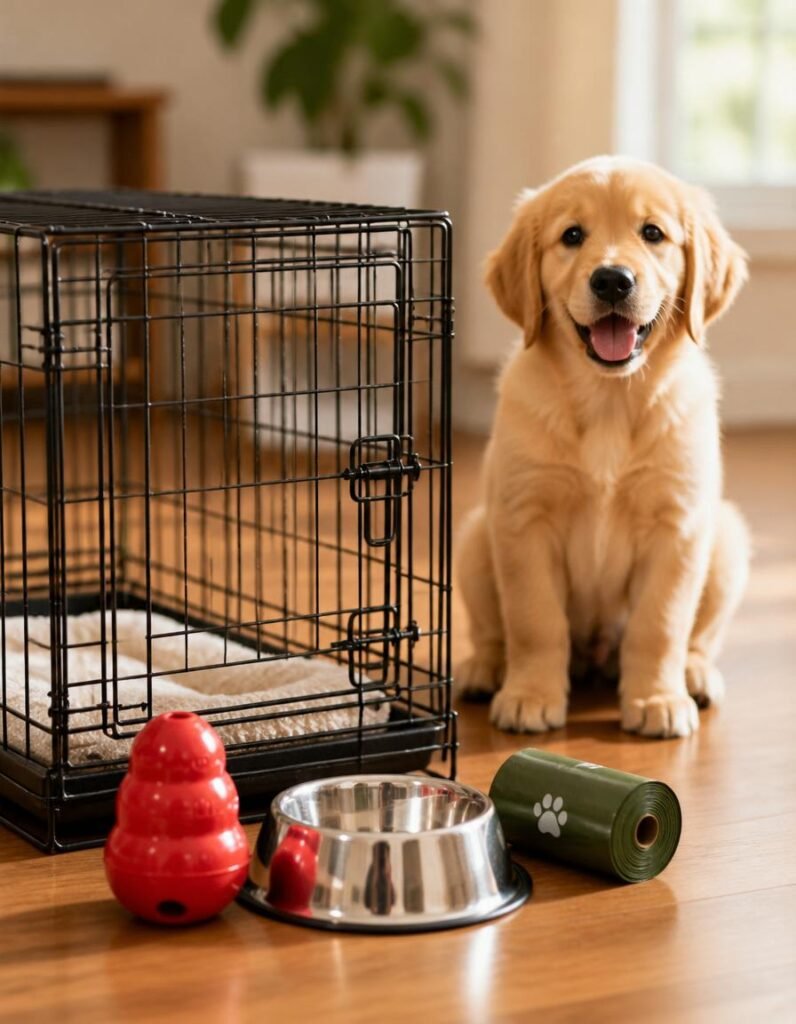
- Food and Water Bowls: Skip the expensive ceramic or decorative sets for now. A simple, heavy stainless steel bowl for water paired with a specialized labyrinth feeder for meals is the smarter setup. Young dogs are notorious gulpers, and using our recommended maze bowl helps slow down digestion to prevent choking, vomiting, and long-term bloat risks. You can read our hands-on Outward Hound Slow Feeder Bowl review guide to find the right size for your puppy’s breed class.
- Puppy Food: Secure a small bag of whatever specific brand the breeder, foster, or shelter was feeding. Abruptly switching kibble properties on day one causes severe gastrointestinal distress in young animals. Keep their diet consistent for the first 2 to 3 weeks before gradually transitioning to your preferred formulation.
- A Sturdy Crate: Choose a heavy-duty wire or plastic crate equipped with an adjustable interior divider panel. Buying an adult-sized crate with a divider allows you to expand the space as your dog grows, making crate training the single best investment for early housebreaking success.
- Flat Collar and ID Tag: Pick up a basic nylon flat collar and a clearly stamped identification tag with your current phone number. Do not buy expensive leather options yet, as they will easily outgrow this first setup within a few months.
- A Standard 6-Foot Leash: Stick to a simple, flat nylon or leather leash. Completely cross-retractable styles are off your entry-level new puppy checklist; corded reels actively reward pulling habits and offer zero mechanical control during early training.
- Durable Chew Toys: Teething is a mandatory developmental stage. Providing targeted outlets, like a soft rubber teething bone, prevents them from chewing on baseboards or furniture. To pick the right model for delicate teeth, check out our KONG Classic Dog Toy review guide for an accurate look at their puppy-specific rubber line.
- Heavy-Duty Poop Bags: You will burn through waste bags significantly faster than you anticipate. Buying dense, leak-proof options in bulk saves cash and prevents messy accidents. Our Earth Rated Poop Bags review guide explains why generic discount bags end up costing more in the long run.
- Enzyme-Based Cleaner: Traditional household multi-surface sprays only mask odors to human noses. An active enzymatic formula chemically breaks down organic waste particles, stripping away the deep scent markers that instinctively draw a dog back to soil the exact same indoor spot.
The First-Week Additions
Once your pet passes their first 48 hours smoothly, expand your new puppy checklist with these secondary comfort items:
- A Gentle Grooming Brush: Introduce a soft slicker brush or rubber grooming mitt immediately, even if your puppy barely sheds yet. Regular, low-pressure handling builds lifetime tolerance for grooming routines. For heavy-shedding double coats, a structural undercoat tool becomes an essential asset later on. You can read our Furminator deShedding Tool review guide to learn exactly when it is safe to transition to deep undercoat removal.
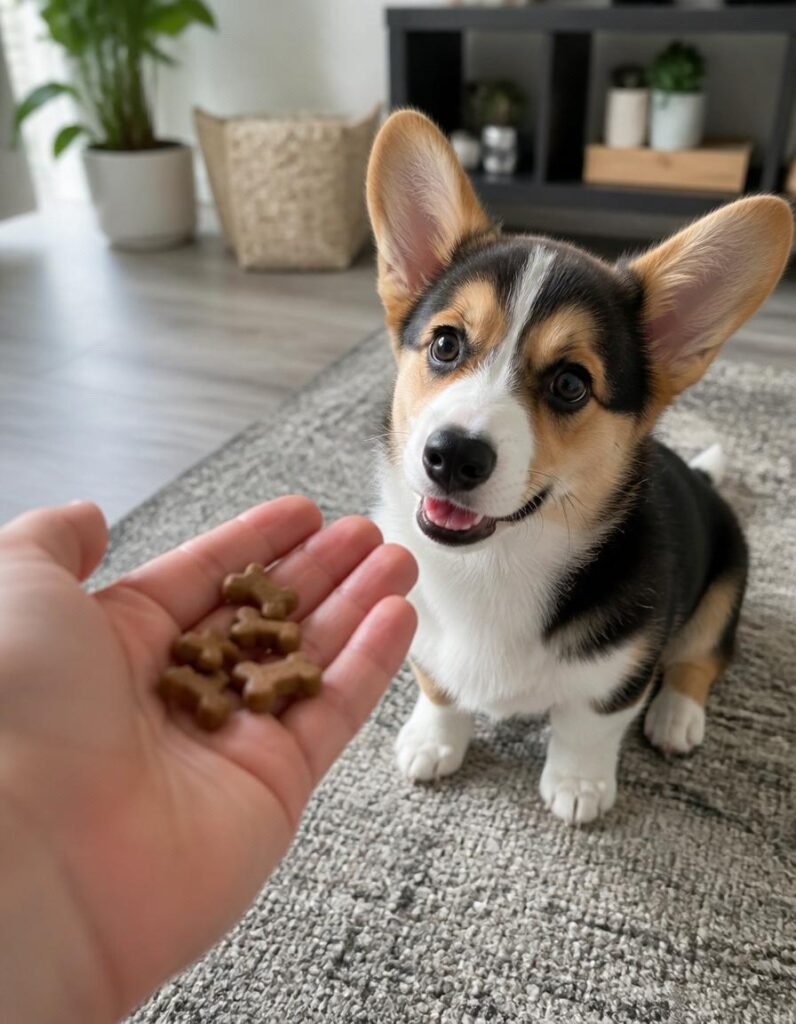
- Training Treats: Look for small, soft, single-calorie training rewards. You will use hundreds of these pieces weekly to reinforce housebreaking patterns and basic obedience commands without unbalancing their core nutritional intake.
- Mental Enrichment Puzzles: High-drive working breeds need mental stimulation to prevent stress-induced household chewing. To keep them occupied during downtime, explore our full Outward Hound Hide-A-Squirrel puzzle toy review to see how interactive soft games build critical problem-solving skills safely.
- An Affordable Bed: Start with a simple, budget-friendly, washable crate pad or mat. Puppies will inevitably test their teeth on fabrics or have housebreaking accidents. Save your investment on a premium, memory-foam orthopedic bed until after the early chewing and potty-training phases are completely resolved.
Note on Poison Prevention: Before bringing a new animal into your home environment, it is highly recommended to inventory your yard and indoor spaces for potential toxic elements. You can reference theofficial toxic substance and poisonous plant database from the ASPCA Poison Control Centerto ensure your living spaces are completely safe for a curious mouth.
What Can Wait a Month
Do not feel pressured to purchase everything at once. These common pet gear additions can easily be left off your initial new puppy checklist until your dog crosses their first 30 days at home:
- A Walking Harness: Wait to purchase a body harness until your dog understands basic leash position and their skeletal structure matures slightly. Once your dog builds mass and pulling behavior inevitably begins, you can read our detailed PetSafe Easy Walk Harness review guide to see how a front-clip design mechanically curbs pulling without straining their shoulders.
- Home Grooming Hardware: Most breeds do not require structural coat cutting or body trimming until they reach 4 to 6 months of age. When you are ready to transition away from expensive commercial salon fees, you can check out our Wahl Pet-Pro Dog Clipper review guide to inspect a beginner-friendly kit designed for safe DIY maintenance.
- High-Velocity Fetch Gear: Young puppies possess delicate, developing growth plates that should not be subjected to high-impact launching, hard twisting, or intense running games. Keep playing low to the ground early on. Around the 6-month mark, you can introduce high-durability fetch gear like the classic Chuckit! Ultra Ball for safe backyard exercise.
- Luxury Accessories: Personalized food trays, designer fashion collars, and puppy clothing look great on social media feeds but are highly impractical during early growth spurts. Wait until your pet reaches skeletal maturity before buying premium lifestyle goods.
What to Skip Entirely
Pet supply retailers routinely leverage new-owner anxiety to upsell unnecessary products. Save your money and cross these items completely off your new puppy checklist:
- Retractable Cord Leashes: These models feature thin cords that snap under high tension, cause severe friction burns, and actively train a dog to pull by providing continuous forward tension. Professional trainers almost universally reject them in favor of standard fixed leads.
- Indoor Puppy Training Pads (For Most Homes): Unless you live in a high-rise apartment complex with zero direct outdoor lawn access, indoor scent pads frequently delay housebreaking. They teach a young animal that eliminating on soft surfaces inside the house is acceptable, complicating the transition to outdoor-only habits.
- Unprescribed Vitamin Supplements: A high-quality, age-appropriate commercial puppy food provides complete and balanced nutrition. Introducing random over-the-counter calcium or growth supplements without direct veterinary supervision can permanently deform skeletal development.
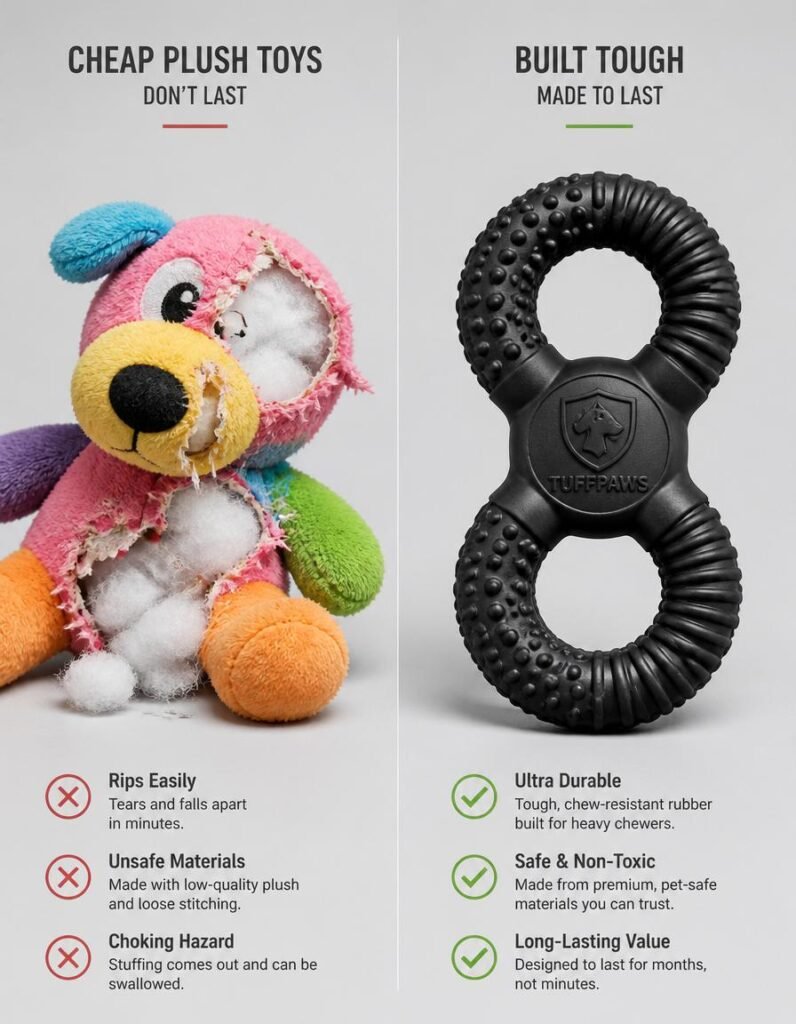
- Cheap Plush Toy Multipacks: Bargain-bin plush toys are easily torn open by sharp puppy teeth within minutes. Swallowing the synthetic inner stuffing or plastic squeakers can cause life-threatening intestinal blockages. Investing in two or three high-durability rubber or canvas items is vastly safer than buying ten cheap options.
Puppy-Proofing Basics
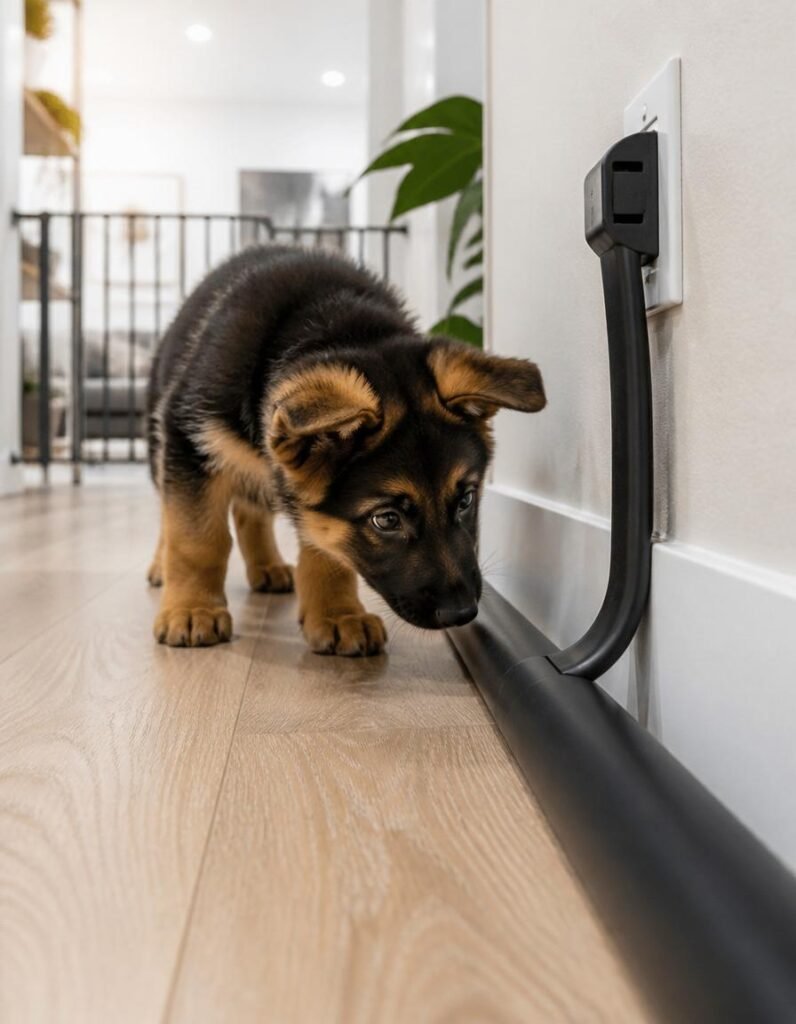
Before your pet steps through the front door, it is critical to perform a comprehensive safety pass of your living space. Drop down to your hands and knees to audit your home environment from a puppy’s physical eye level:
- Bundle, lift, and conceal all exposed electrical cords or secure them behind heavy plastic cord protectors.
- Move all bathroom cleaning agents, laundry detergents, and automotive chemicals up to high shelves or secure cabinets with child-safety locks.
- Remove common toxic household plants—including Pothos, Philodendrons, and Lilies—completely away from accessible spaces.
- Swap out open plastic wastebaskets for heavy, step-on trash cans equipped with securely locking lids.
- Block off steep stairwells, finished basements, and carpeted bedrooms using sturdy, tension-mounted baby gates.
- Clear the floors of small household objects like loose coins, hair ties, paperclips, and shoes that are small enough to be swallowed.
Budget Breakdown: What It Really Costs
To help you budget realistically, here is an honest financial breakdown of what a streamlined, high-utility new puppy checklist costs during the first month:
| Essential Item | Estimated Cost Range (USD) |
| Adjustable Wire Crate (With Divider) | $30 – $60 |
| Bowl Combo (Stainless Water + Slow Feeder) | $20 – $30 |
| Baseline Nylon Collar, Tag, and 6ft Lead | $20 – $30 |
| High-Quality Puppy Food (First Month Bag) | $30 – $60 |
| Durable Teething Toys (2 Premium Items) | $20 – $30 |
| Heavy-Duty Poop Bags (Bulk Box Count) | $15 – $25 |
| Specialized Enzymatic Waste Cleaner Spray | $10 – $15 |
| Soft Grooming Brush and Training Treats | $20 – $30 |
| Realistic Setup Total | $165 – $280 |
By intentionally trimming away retail store traps and focusing your initial purchases on this structured new puppy checklist, you easily save over $200 right out of the gate. That surplus cash can be redirected exactly where it matters most: covering your local vet’s initial wellness exams and puppy vaccination cycles.
Related reading: dog doorbells for potty training, the best dog crate covers and what to keep in a dog first aid kit.
Final Thoughts
The commercial pet care market thrives by capitalizing on the anxiety of new owners. You do not need an entire aisle of gadgets to successfully raise a healthy animal; you simply need the right foundational gear introduced at the appropriate developmental milestones.
By grounding your baseline new puppy checklist in durable, high-utility tools, you completely eliminate unnecessary messes, stressful ingestion emergencies, and inflated credit card statements. Your new companion does not care about designer branding or matching color palettes—they thrive on clear structural boundaries, a predictable daily feeding schedule, and a safe, durable object to chew.
Note: Baseline digital marketplace prices fluctuate regularly based on dynamic retail inventory. Always double-check sizing dimensions and weight limits before completing your final checkout.
Disclosure: We want to be entirely transparent that Daily Pet Picks is a proud participant in the Amazon Services LLC Associates Program designed for independent product reviewers, an affiliate advertising program built to allow websites to earn small advertising fees by linking directly to product listings. This means we may earn a small commission if you purchase through our links, at absolutely no extra cost to you.