
Exercise is one of the biggest factors in a dog’s health and happiness, yet it is easy to get wrong — too little leads to boredom, weight gain, and destructive behavior, while too much can harm growing puppies or older dogs. So how much exercise does a dog need? The honest answer depends on breed, age, and health. This guide breaks it all down so you can build the right routine for your individual dog.
Table of Contents
- Why Exercise Matters
- The General Guideline
- Factors That Affect Exercise Needs
- Exercise Needs by Energy Level
- Exercise Needs by Age
- Signs Your Dog Needs More or Less
- Best Types of Exercise
- Frequently Asked Questions
- Final Thoughts
Why Exercise Matters
Before figuring out how much exercise does a dog need, it helps to know why it matters so much. Regular exercise keeps your dog at a healthy weight, strengthens muscles and joints, supports heart health, and aids digestion. Just as importantly, it burns mental energy — a well-exercised dog is calmer, sleeps better, and is far less likely to develop problem behaviors like excessive barking, chewing, or anxiety.
A bored, under-exercised dog will almost always find an outlet, and it is usually one you will not like. Meeting your dog’s exercise needs is one of the simplest ways to prevent behavior problems before they start. For a vet-backed overview, the American Kennel Club’s guide to dog exercise is a great reference.
The General Guideline
As a rough starting point, most dogs need between 30 minutes and 2 hours of exercise per day. That is a wide range because how much exercise does a dog need varies enormously from one dog to the next.
A low-energy companion breed might be content with a couple of short walks, while a high-drive working dog may need two hours or more of vigorous activity to stay balanced. Use this 30-minutes-to-2-hours range as your starting framework, then adjust based on the factors below.
Factors That Affect Exercise Needs
Several things determine how much exercise does a dog need:
- Breed and energy level — Working, herding, and sporting breeds need far more than companion or toy breeds.
- Age — Puppies and seniors need different amounts and types than adult dogs.
- Size — Size matters less than energy level; some small dogs need more than large ones.
- Health — Conditions like arthritis, heart issues, or obesity change what is safe and appropriate.
- Individual personality — Even within a breed, dogs vary in how much they want and need.
Exercise Needs by Energy Level
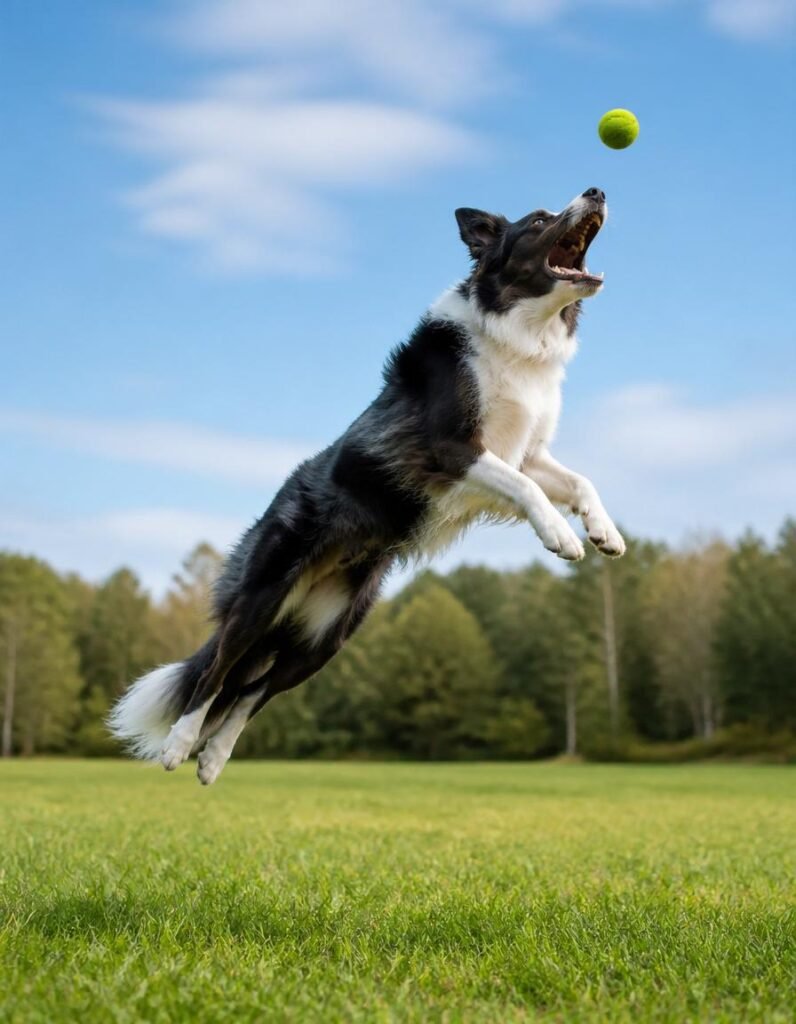
A useful way to estimate how much exercise does a dog need is by energy level:
- High-energy breeds (Border Collie, Husky, Labrador, Australian Shepherd) — 1.5 to 2+ hours of varied, vigorous activity daily.
- Moderate-energy breeds (most mixed breeds, Beagles, Spaniels) — Around 1 hour of walks and play.
- Low-energy breeds (Bulldog, Basset Hound, many toy breeds) — 30 minutes to 1 hour of gentle activity.
For high-energy dogs especially, a tool like a ball launcher helps you deliver a serious workout quickly — see our Chuckit ball launcher review.
Exercise Needs by Age
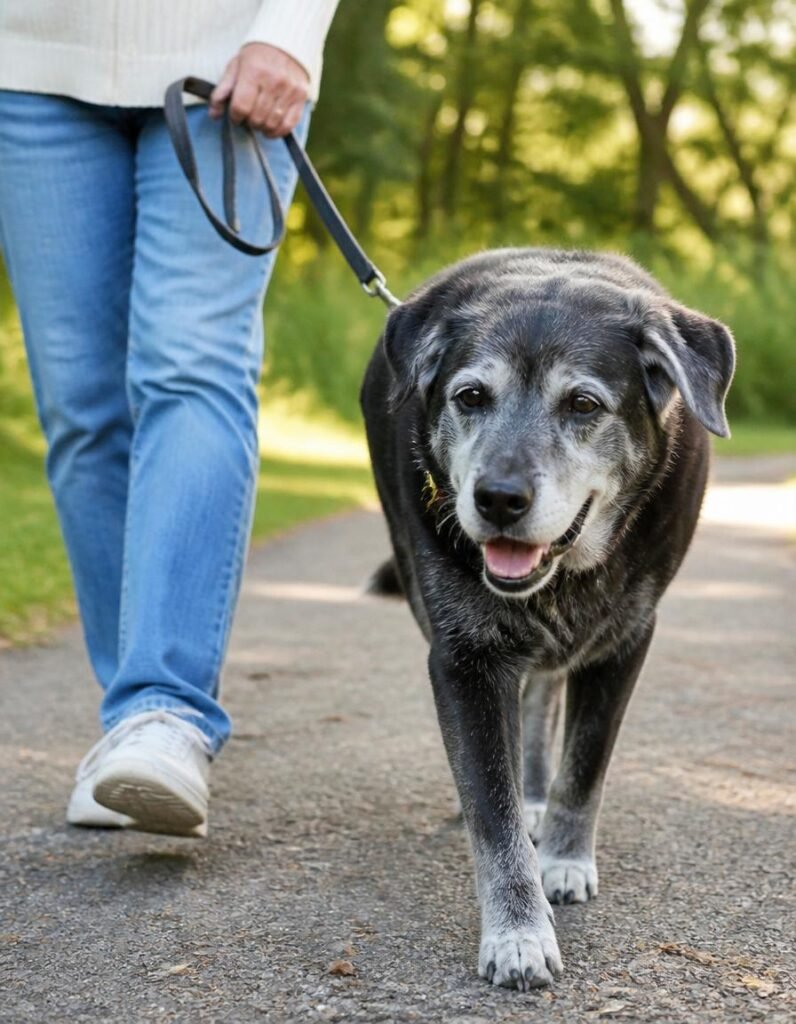
Age changes both how much and what type of exercise is appropriate:
- Puppies need short, frequent play sessions rather than long forced exercise. A common guideline is about five minutes of structured exercise per month of age, twice a day, to protect developing joints.
- Adult dogs are in their prime and can handle their breed’s full exercise needs.
- Senior dogs still need regular gentle exercise to stay mobile, but shorter, lower-impact sessions are kinder on aging joints.
Matching activity to your dog’s life stage is a big part of getting how much exercise does a dog need right.
Signs Your Dog Needs More or Less
Watch your dog for clues that the balance is off.
Signs of too little exercise:
- Destructive chewing or digging
- Restlessness or excessive barking
- Weight gain
- Hyperactivity indoors
Signs of too much exercise:
- Lagging behind or reluctance to continue
- Limping or stiffness afterward
- Excessive panting and exhaustion
- Sore or worn paw pads
Adjusting based on these signs helps you fine-tune exactly how much exercise does a dog need for your individual pet.
Best Types of Exercise
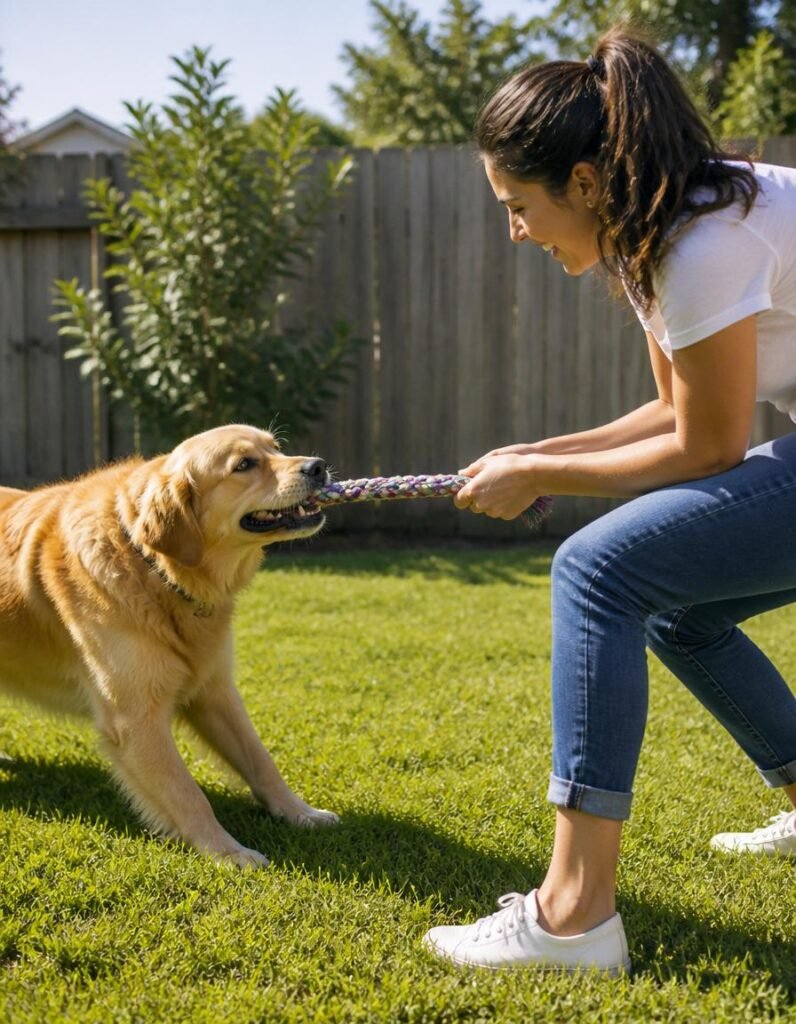
Variety keeps exercise fun and works both body and mind:
- Walking — The foundation of any routine, great for all dogs.
- Fetch — Burns lots of energy fast; ideal for high-drive dogs.
- Running or hiking — For fit, healthy, high-energy adults.
- Tug and play — Interactive games that build your bond.
- Mental enrichment — Puzzle toys and training tire the mind, which counts too.
Mixing physical and mental activity gives you more impact than walking alone. For active-play gear, see our best dog toys under $30 roundup.
Related reading: dog safety lights for night walks and dog water bottles for walks.
Gear That Helps Your Dog Get Enough Exercise
A good leash for daily walks and a way to play fetch without wearing out your arm cover most dogs. See our dog toys under $30 for more.
PetSafe Nylon Leash, 6 ft
Our best overall pick in the dog leash roundup. A simple, sturdy everyday walking leash.
Chuckit! Ultra Ball
A bouncy, easy-to-spot fetch ball. Read our Chuckit Ultra Ball review.
Chuckit! Ball Launcher
Throws farther than you can by hand and saves bending down for slimy balls. See our launcher review.
Frequently Asked Questions
How much exercise does a dog need per day? Most dogs need 30 minutes to 2 hours daily, depending on breed, age, and health. High-energy breeds need more, while low-energy and senior dogs need less.
Can a dog get too much exercise? Yes. Over-exercising can harm joints, especially in puppies and seniors, and cause exhaustion or paw injuries. Watch for limping, lagging, and excessive panting.
How much exercise does a puppy need? Puppies need short, frequent play rather than long sessions. A common guideline is about five minutes per month of age, twice a day, to protect growing joints.
Is walking enough exercise for a dog? For low- and moderate-energy dogs, often yes. High-energy dogs usually need more vigorous activity like fetch or running, plus mental stimulation, on top of walks.
Final Thoughts
So how much exercise does a dog need? Start with the 30-minute-to-2-hour range, then adjust for your dog’s breed, energy level, age, and health. Watch for the signs of too little or too much, mix up the types of activity, and remember that mental exercise counts alongside physical. Get the balance right, and you will have a healthier, calmer, happier dog — and far fewer behavior problems to deal with.
Disclosure: dailypetpicks.com is a participant in the Amazon Services LLC Associates Program, an affiliate advertising program designed to provide a means for sites to earn advertising fees by advertising and linking to Amazon.com. This means we may earn a small commission if you purchase through our links, at no extra cost to you.