Bath time is one of the few grooming jobs where the wrong product actively causes harm. Reach for the bottle in your own shower, and you’re not just cleaning your dog badly — you’re damaging their skin barrier.
The best dog shampoo isn’t the one that smells nicest. It’s the one matched to your dog’s skin pH, and to whatever problem you’re actually trying to solve: general dirt, itchy skin, a yeasty smell, or a genuine infection.
This roundup covers the best dog shampoo options for each of those situations, with honest pros and cons and the products worth avoiding.
Why You Can’t Use Human Shampoo
This is the single most important thing to understand before buying anything.
Dog skin and human skin sit at different pH levels. Human scalp skin is acidic, around 5.2 to 6.2. Dog skin is closer to neutral, around 6.2 to 7.5.
Both species have a thin protective film called the acid mantle, which keeps bacteria and yeast out and moisture in. Bathing washes it away temporarily — which is fine, as long as the shampoo is pH-matched so the mantle can rebuild.
Use a human shampoo, and the wrong pH disrupts that rebuild. The result over time is dryness, flaking, itching, and a skin barrier open to bacterial and yeast infections.
Dog skin is also thinner than ours, which makes it less forgiving of harsh detergents. Even “gentle” baby shampoo is still formulated for human pH.
The VCA Animal Hospitals guidance on personal care products for pets explains the acid mantle in more detail — and notes that human conditioners and lotions carry the same problem, with the added risk that dogs lick whatever you put on their coat.
The rule: dog-formulated shampoo only, every time. Every pick in this best dog shampoo roundup meets that standard.
How to Choose the Best Dog Shampoo
Match the product to the problem — that’s the whole decision:
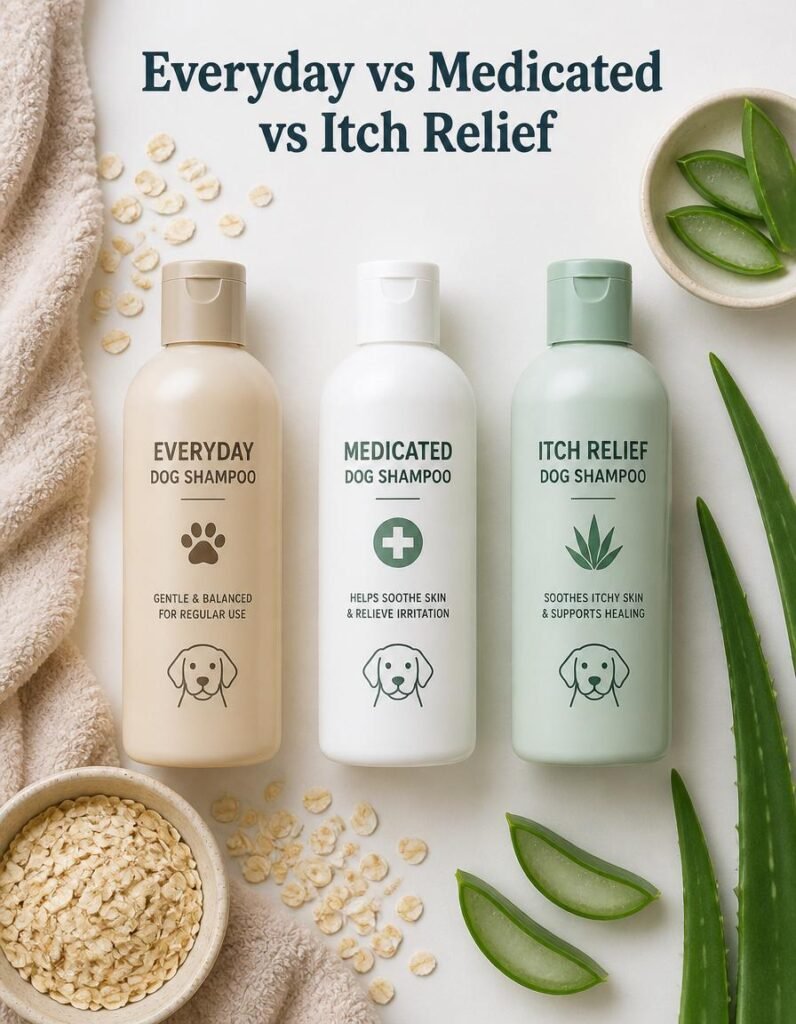
- Just dirty? A gentle, soap-free everyday shampoo is all you need.
- Itchy, dry, flaky? Colloidal oatmeal and aloe soothe irritation; salicylic acid helps with dandruff and scaly patches.
- Hot spots, yeasty smell, skin infection? You need a medicated antifungal/antibacterial formula, and often a vet.
- Smelly between baths? A waterless formula for spot-cleaning without a full bath.
Two things to look for on any label: soap-free and free of dyes and heavy fragrance, since fragrance is one of the biggest irritants for dog skin.
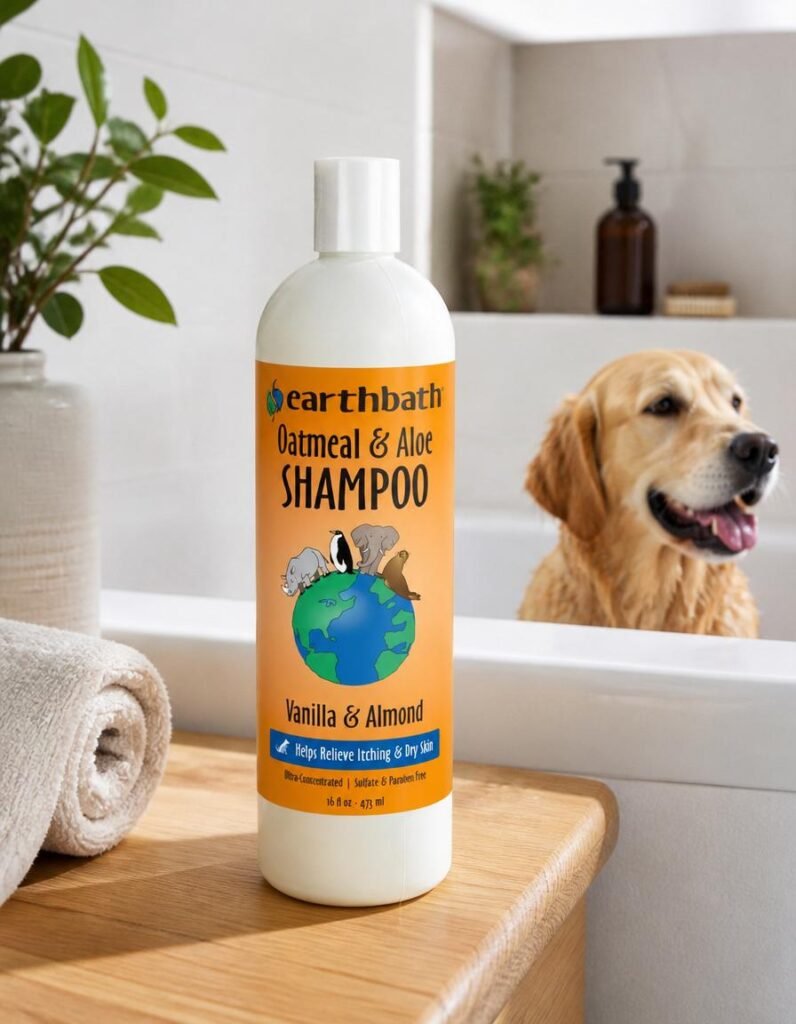
The Best Dog Shampoo Overall: Earthbath Oatmeal & Aloe
If you want one bottle that suits most dogs, this is the one that comes up again and again across reviews and groomer recommendations.
Why it wins:
- Soap-free and pH-balanced for dogs, so it cleans without stripping the coat’s natural oils.
- Colloidal oatmeal and aloe vera soothe mild itching and dryness — useful even for dogs without a diagnosed skin problem.
- Rinses out cleanly, which matters more than people realize. Residue left in the coat is a common cause of post-bath itching.
- Safe alongside topical flea and tick treatments, so it won’t undo your parasite prevention.
The honest downsides:
- Not medicated. If your dog has an active infection or severe allergy, this won’t treat it.
- The natural scent is light and fades fast — fine if you want subtle, disappointing if you expect lingering perfume.
- Mid-range price rather than budget.
Best for: most dogs, most of the time — the everyday default among the best dog shampoo options.
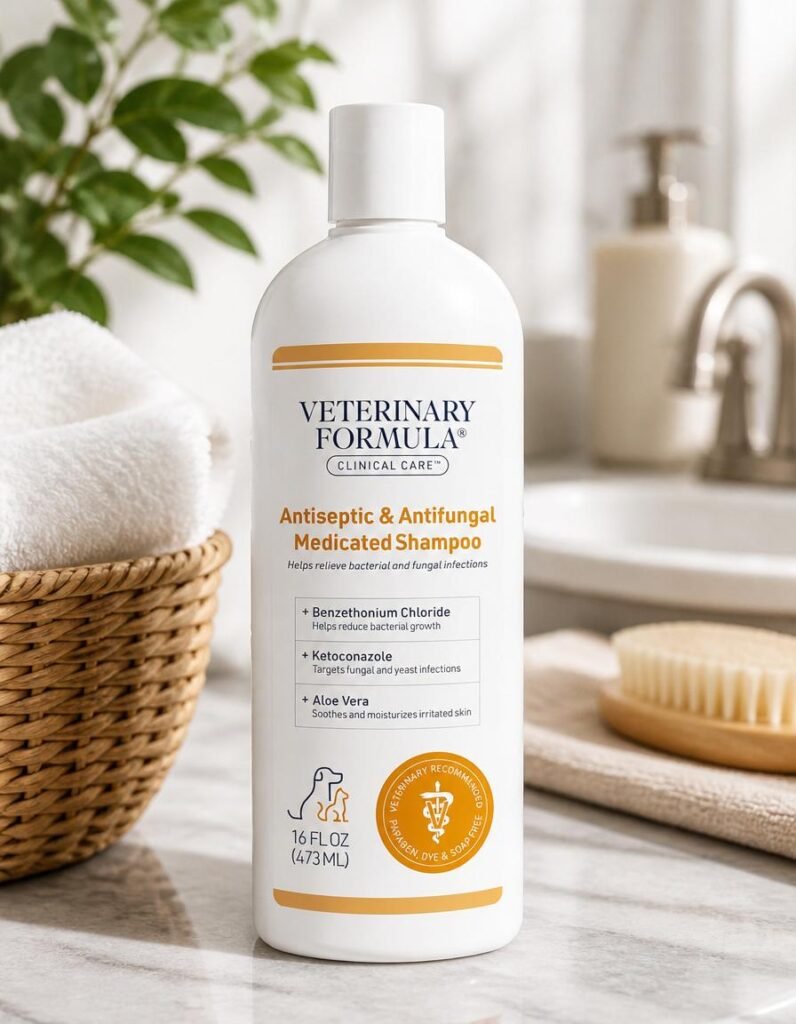
The Best Medicated Pick: Veterinary Formula Clinical Care Antiseptic & Antifungal
When your dog has hot spots, a yeasty smell, or a genuine skin infection, oatmeal won’t cut it. This is the over-the-counter formula that uses the same active ingredients vets reach for.
Why it’s a standout:
- Benzethonium chloride and ketoconazole — antibacterial and antifungal actives that target the causes of pyoderma, yeast overgrowth, and fungal infections.
- Genuinely effective on hot spots and infections without the cost of a prescription shampoo.
- Works on the underlying problem rather than just soothing symptoms.
The honest downsides:
- The smell is medicinal and not pleasant. This is a treatment, not a spa product.
- Requires contact time — you need to lather and leave it on for around 5–10 minutes before rinsing, which some dogs won’t tolerate patiently.
- Not for routine use. Medicated shampoos can be drying if used as your everyday wash.
Important: persistent skin problems need a diagnosis. If itching or infection doesn’t clear up, see your vet rather than escalating shampoos.
Best for: active skin infections, hot spots, and yeast issues — the best dog shampoo choice when there’s a real problem to treat, used as a course rather than a daily wash.
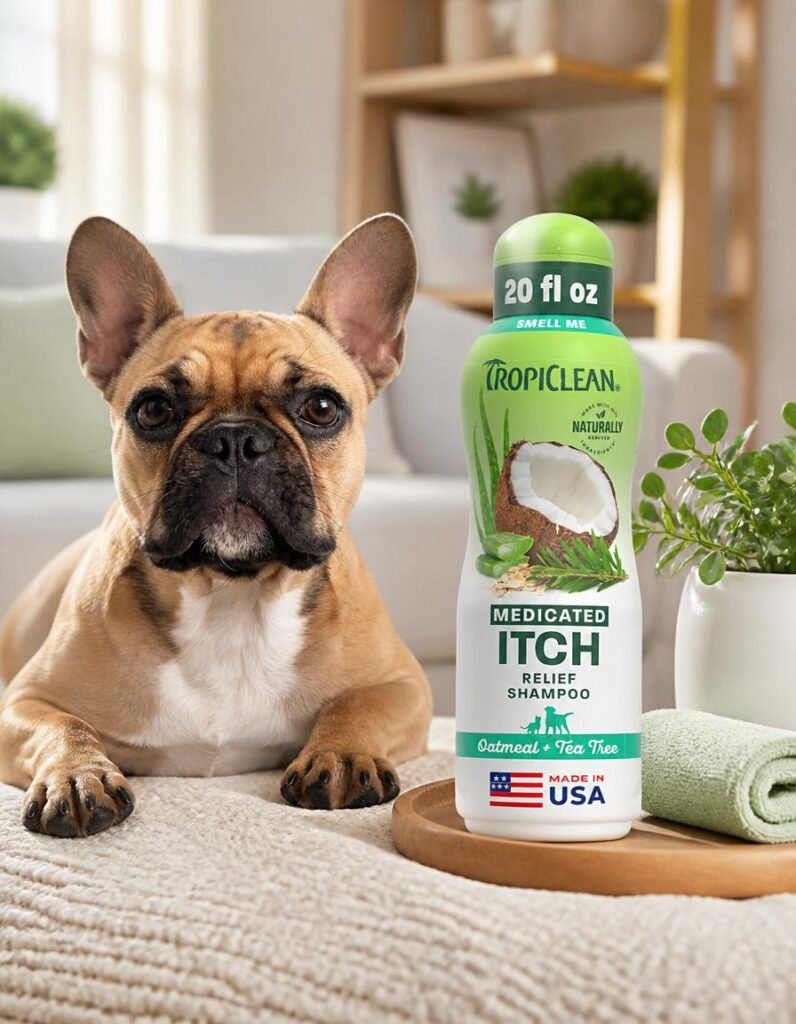
The Best for Itchy, Flaky Skin: TropiClean Oatmeal
For the dog who isn’t infected but is constantly scratching, this sits usefully between gentle and medicated.
Why it’s a standout:
- Natural salicylic acid gently exfoliates, which helps with dandruff, flaking, and scaly patches from seborrhea.
- Colloidal oatmeal and chamomile calm irritation while the salicylic acid works on the flakes.
- Soap-free, paraben-free, and dye-free — a clean label for a dog whose skin is already reactive.
The honest downsides:
- Won’t fix real allergies or infections. If the itch is allergy-driven or bacterial, this only manages symptoms.
- Some dogs need it diluted or followed by a plain rinse, especially if their skin is very sensitive.
- Results vary a lot depending on what’s actually causing the itch.
Best for: dry, flaky, itchy coats where there’s no underlying infection.
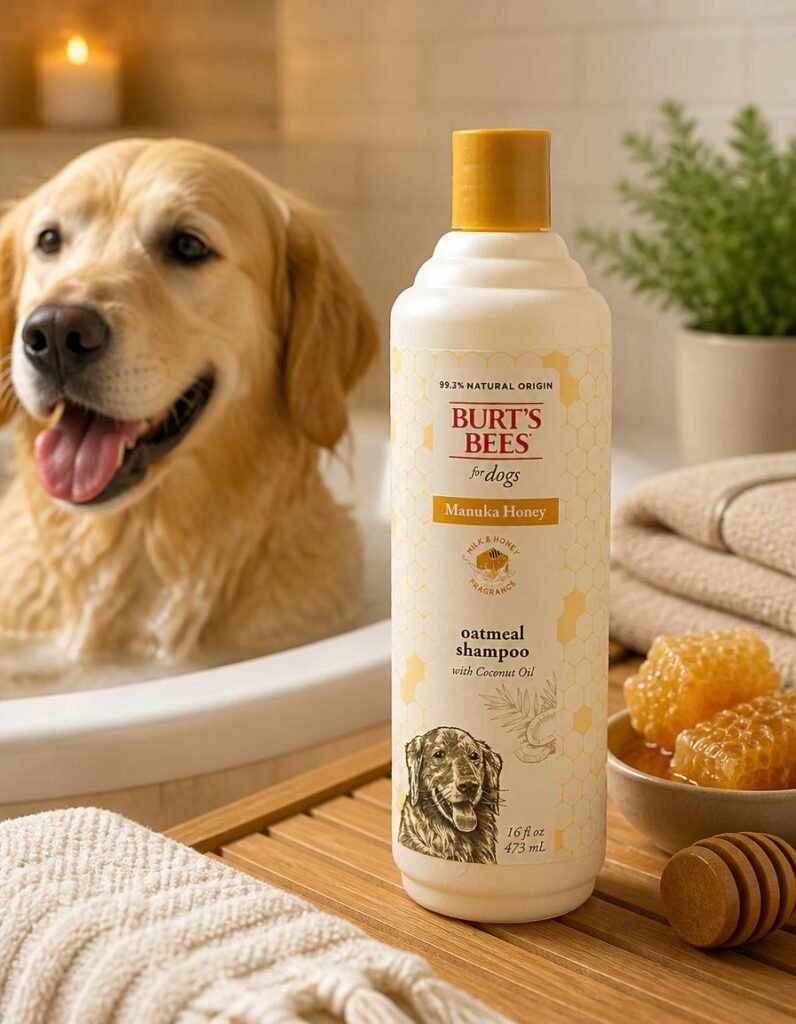
The Best Budget Pick: Burt’s Bees Oatmeal Shampoo
Bathing shouldn’t be expensive, especially for a big dog who goes through a bottle fast.
Why it’s the value pick:
- Colloidal oatmeal and honey soothe and moisturize — the same core soothing approach as pricier oatmeal shampoos.
- pH-balanced specifically for dogs, which is the non-negotiable requirement.
- Widely available and genuinely cheap, making regular bathing affordable.
The honest downsides:
- Basic formula — it cleans and soothes, but doesn’t do anything specialized.
- Not medicated, so it’s no help for infections or serious skin conditions.
- Some owners find it less concentrated, meaning you use more per bath on a thick-coated dog.
Best for: healthy-skinned dogs, large breeds, and anyone who wants a solid best dog shampoo option without the premium price.
The Best Between Baths: TropiClean Waterless Shampoo
Sometimes your dog is muddy at 10 pm, and a full bath isn’t happening. A no-rinse formula handles the gap.
Why it’s a standout:
- No water needed — you work it into the coat and towel it off, which makes it ideal for quick cleanups.
- Useful for dogs who hate baths, senior dogs, or spot-cleaning muddy paws and rear ends.
- Helps stretch the time between full baths, which is genuinely good for the skin barrier.
The honest downsides:
- Not a real clean. It freshens and lifts surface dirt but won’t deep-clean a properly filthy dog.
- Not a substitute for medicated treatment or a proper bath when one is needed.
- Some dogs dislike the texture until it dries.
Best for: touch-ups, bath-averse dogs, and winter months when full baths are less practical.
[Check price on Amazon]
Quick Comparison
Here’s how the best dog shampoo picks compare side by side:
| Shampoo | Type | Key ingredient | Best for |
|---|---|---|---|
| Earthbath Oatmeal & Aloe | Everyday, soap-free | Colloidal oatmeal + aloe | Most dogs — the all-rounder |
| Veterinary Formula Clinical Care | Medicated | Ketoconazole + benzethonium | Infections, hot spots, yeast |
| TropiClean Oatmeal & Tea Tree | Itch relief | Salicylic acid + oatmeal | Dry, flaky, itchy skin |
| Burt’s Bees Oatmeal | Budget everyday | Oatmeal + honey | Frequent bathing on a budget |
| TropiClean Waterless | No-rinse | — | Between baths, quick cleanups |
What to Skip
The best dog shampoo protects the skin barrier. These work against it:
| What to skip | Why |
|---|---|
| Human shampoo (including baby shampoo) | Wrong pH for dog skin. Disrupts the acid mantle and invites dryness, itching, and infection. |
| Heavily fragranced or dyed formulas | Fragrance is a leading irritant for dog skin, and dyes add nothing but risk. |
| Medicated shampoo as an everyday wash | Actives are drying with repeated use. Treatment courses only, ideally with vet guidance. |
| Human conditioners and lotions | Too acidic, often too oily — and dogs lick their coat, so ingestion is a real concern. |
| Any shampoo as a fix for persistent itching | If the itch keeps coming back, it needs a diagnosis, not another bottle. |
Bathing Without Wrecking the Coat
Even the best dog shampoo causes problems if you overuse it. Every bath temporarily strips the acid mantle, so more washing is not better washing.
Most dogs do fine on a roughly monthly schedule, adjusted for coat type, lifestyle, and skin condition. Our guide on how often to bathe a dog breaks down what’s right for different breeds and situations.
Three things that make a real difference at bath time:
- Rinse longer than you think. Leftover residue is a common cause of itching that owners blame on the shampoo itself.
- Use lukewarm water. Hot water dries skin and can worsen irritation.
- Keep water out of the ears. Damp ears breed infection — and while you’re grooming, it’s a good moment to check them. Our guide on how to clean dog ears covers doing it safely.
Frequently Asked Questions
What is the best dog shampoo?
For most dogs, the best dog shampoo is a gentle, soap-free oatmeal formula like Earthbath Oatmeal & Aloe. If your dog has an active skin infection, a medicated option like Veterinary Formula Clinical Care is more appropriate, and Burt’s Bees Oatmeal is the budget choice.
Can I use human shampoo on my dog?
No. Human shampoo is formulated for acidic human skin pH, while dog skin is closer to neutral. Using it disrupts your dog’s acid mantle, leading to dryness, itching, and greater vulnerability to bacterial and yeast infections. Baby shampoo has the same problem.
What shampoo is best for a dog with itchy skin?
Start with a colloidal oatmeal shampoo to soothe irritation. If there’s flaking or dandruff, a formula with salicylic acid helps exfoliate. If the itching persists or you see redness, sores, or a yeasty smell, see your vet — it may need a medicated or prescription treatment.
How often should I use dog shampoo?
Most healthy dogs do well with a bath roughly once a month, though it varies by breed, coat, and lifestyle. Over-bathing strips natural oils and can cause the very dryness and itching you’re trying to fix. Medicated shampoos follow their own schedule.
Is oatmeal shampoo good for dogs?
Yes, for most dogs. Colloidal oatmeal is genuinely soothing for dry and mildly irritated skin, and it’s gentle enough for regular use. It won’t treat infections or true allergies, but it’s a sensible default for everyday washing.
The Bottom Line
The best dog shampoo is the one that matches your dog’s actual problem — and is formulated for dog skin, never human skin.
Buy Earthbath Oatmeal & Aloe as your everyday bottle, keep Veterinary Formula Clinical Care on hand if your dog is prone to hot spots or yeast, choose TropiClean Oatmeal & Tea Tree for persistent flaking, and grab Burt’s Bees if budget is the deciding factor.
Bathe less often than you think, rinse more thoroughly than feels necessary, and see a vet if a skin problem keeps returning. Do that, and your dog stays clean without paying for it in dry, itchy skin.
This post contains affiliate links. If you buy through them, we may earn a small commission at no extra cost to you. We only recommend products we believe are genuinely worth considering.